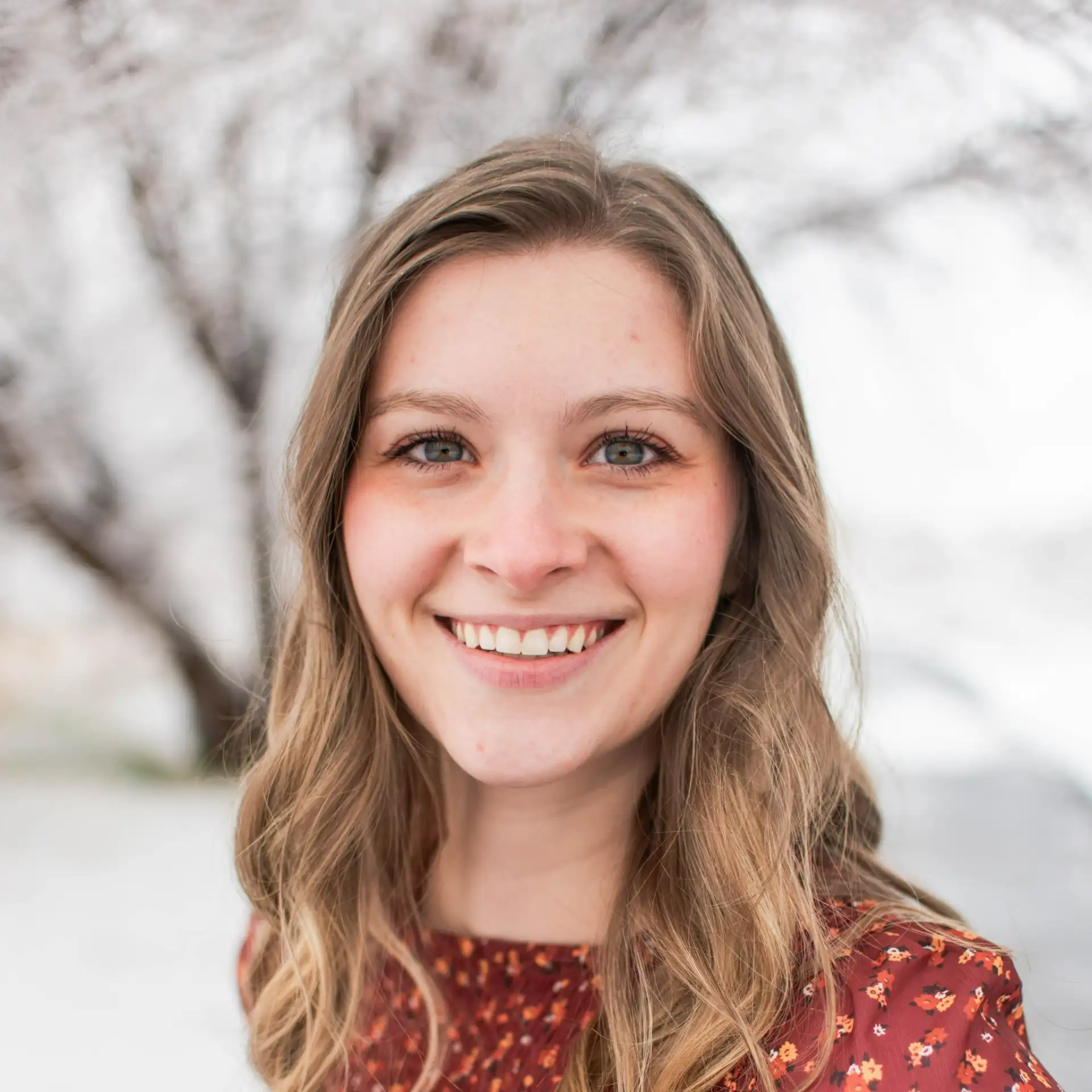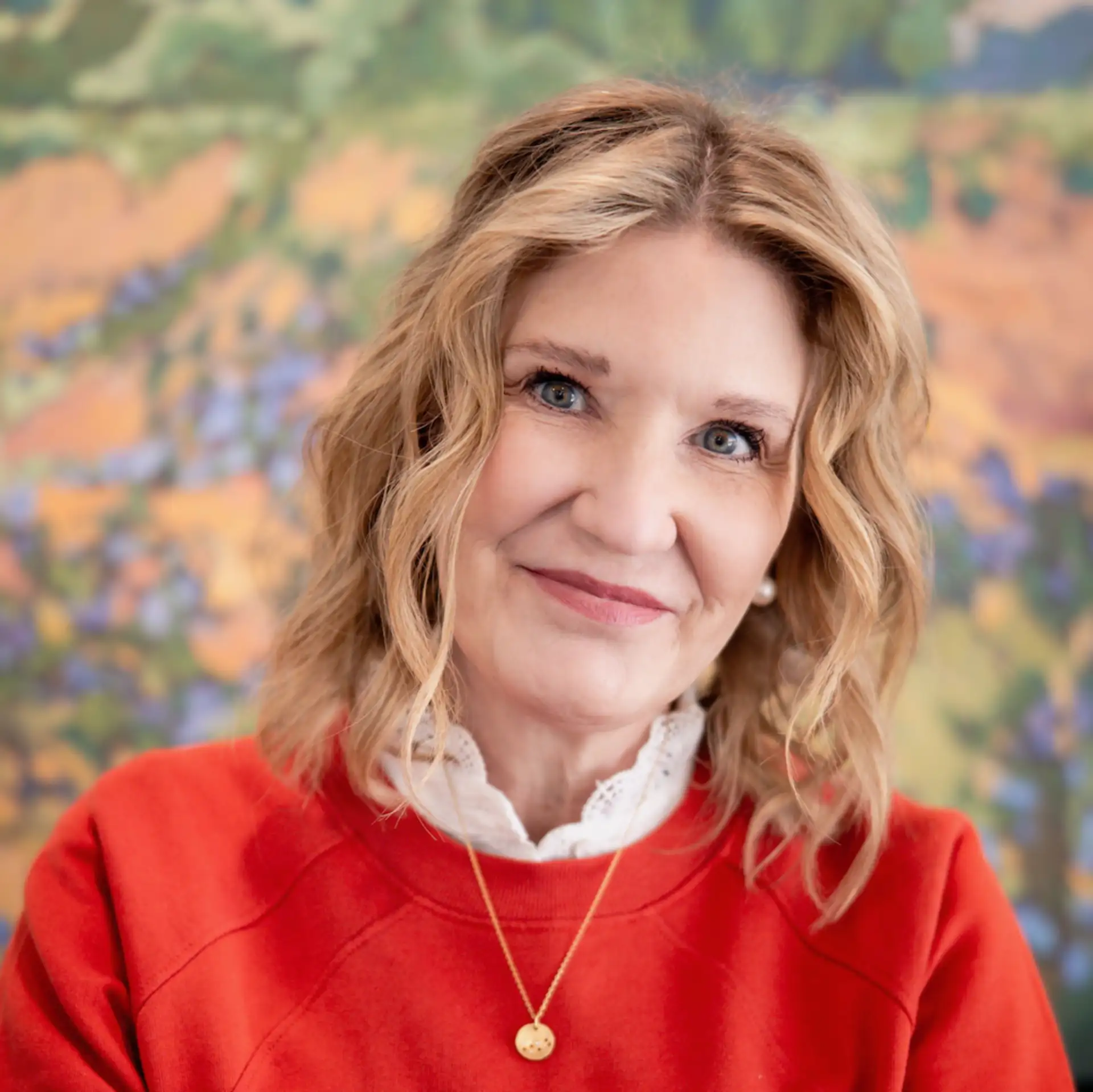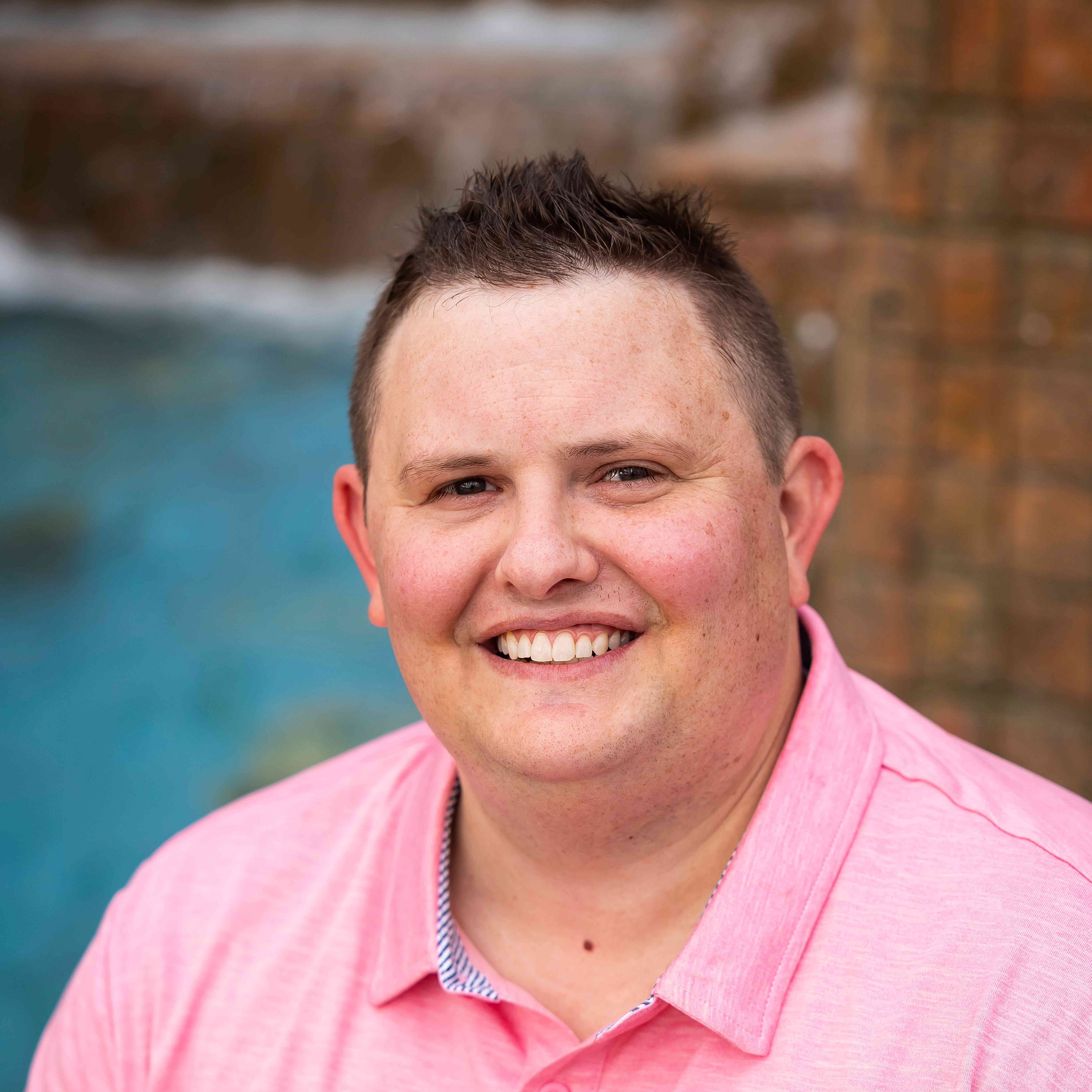
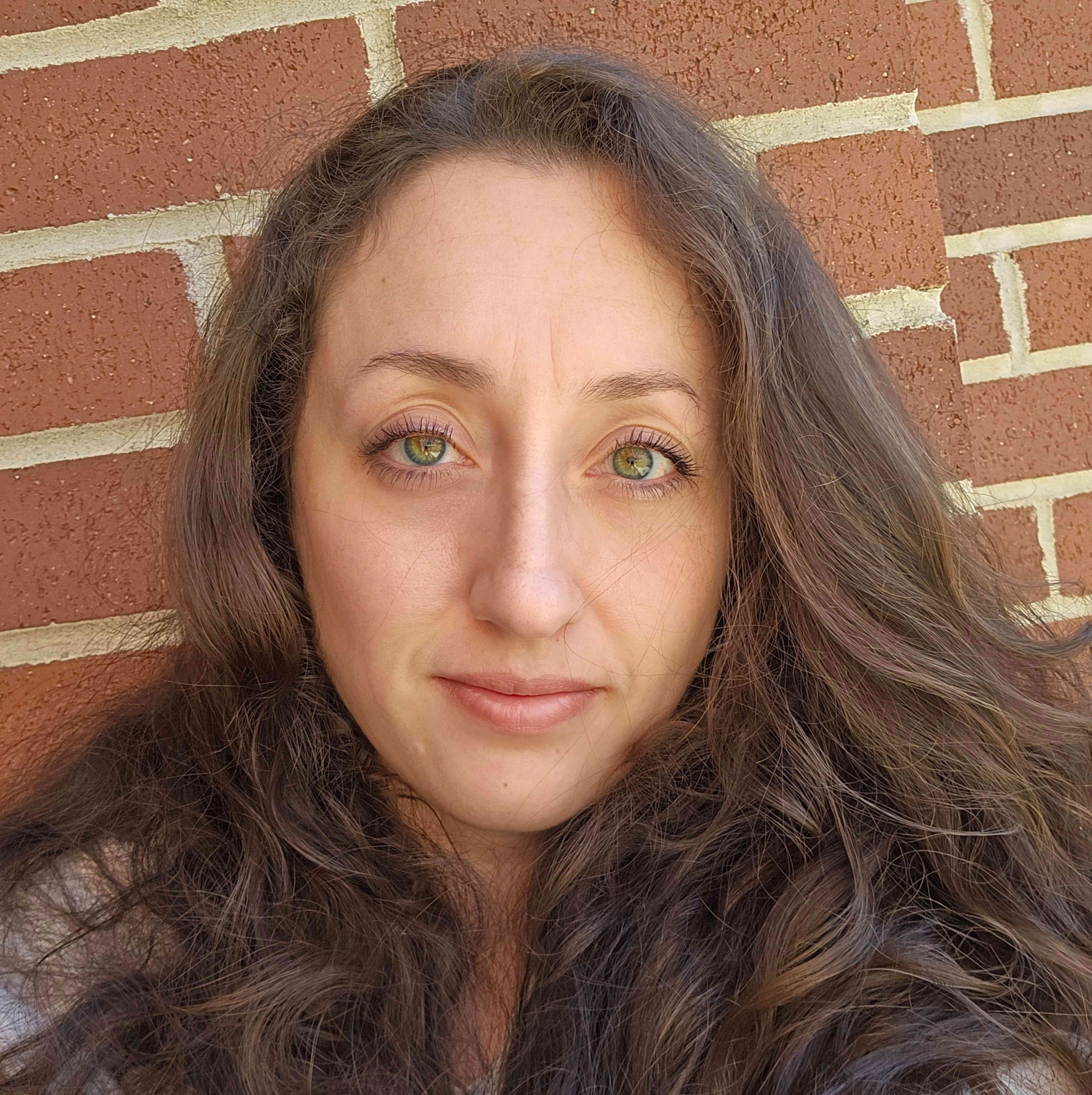
Lisette Snyder, LCSW
Orem, Utah · Telehealth
● Next opening: Fri, Oct 23
- Trauma-informed therapist working with individuals and couples
63 verified Utah therapists with real openings — in person near you, or telehealth anywhere in Utah.
- Trauma-informed therapist working with individuals and couples
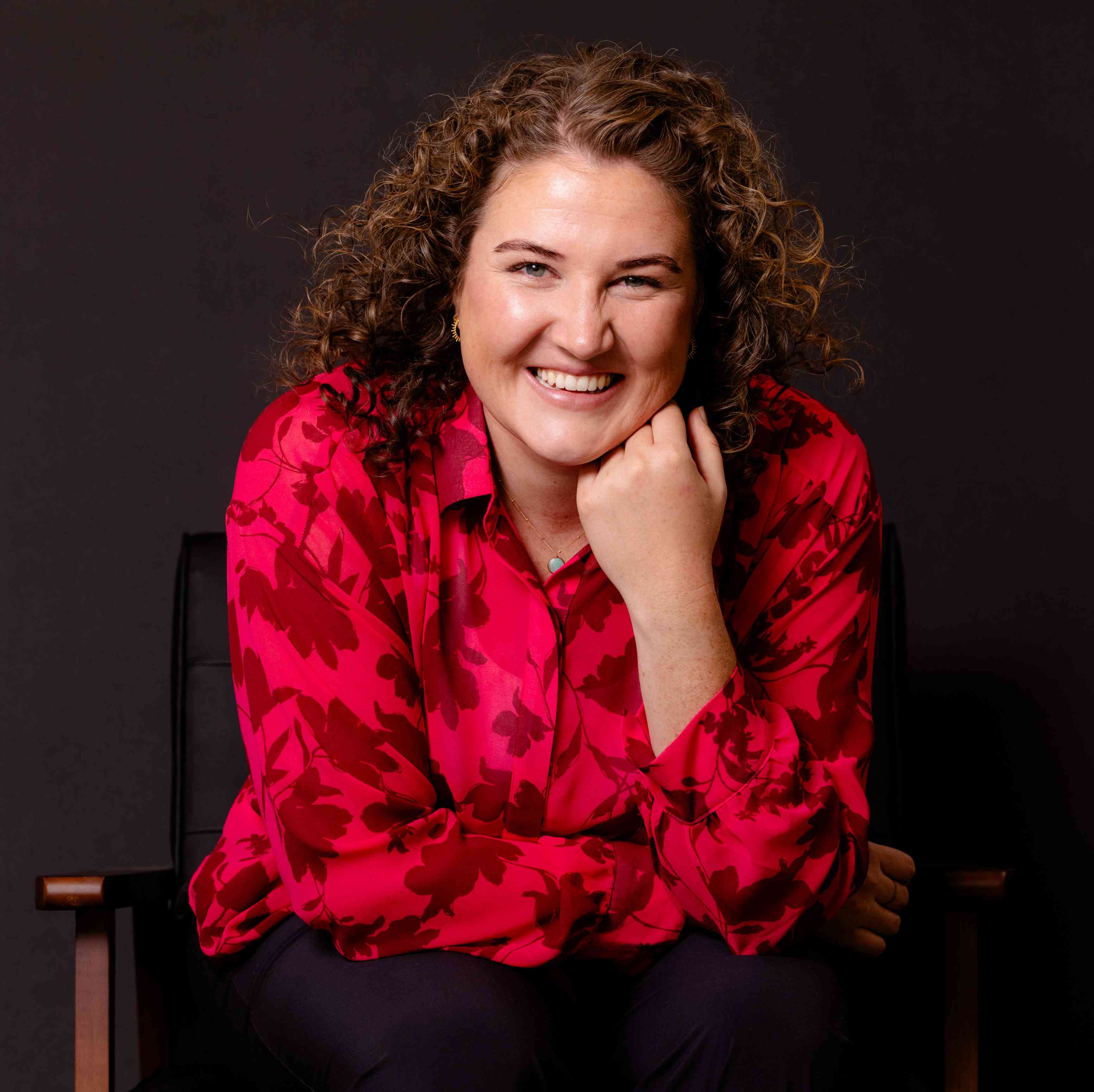
Trauma therapist helping adults shift into a life that feels more aligned and authentic.
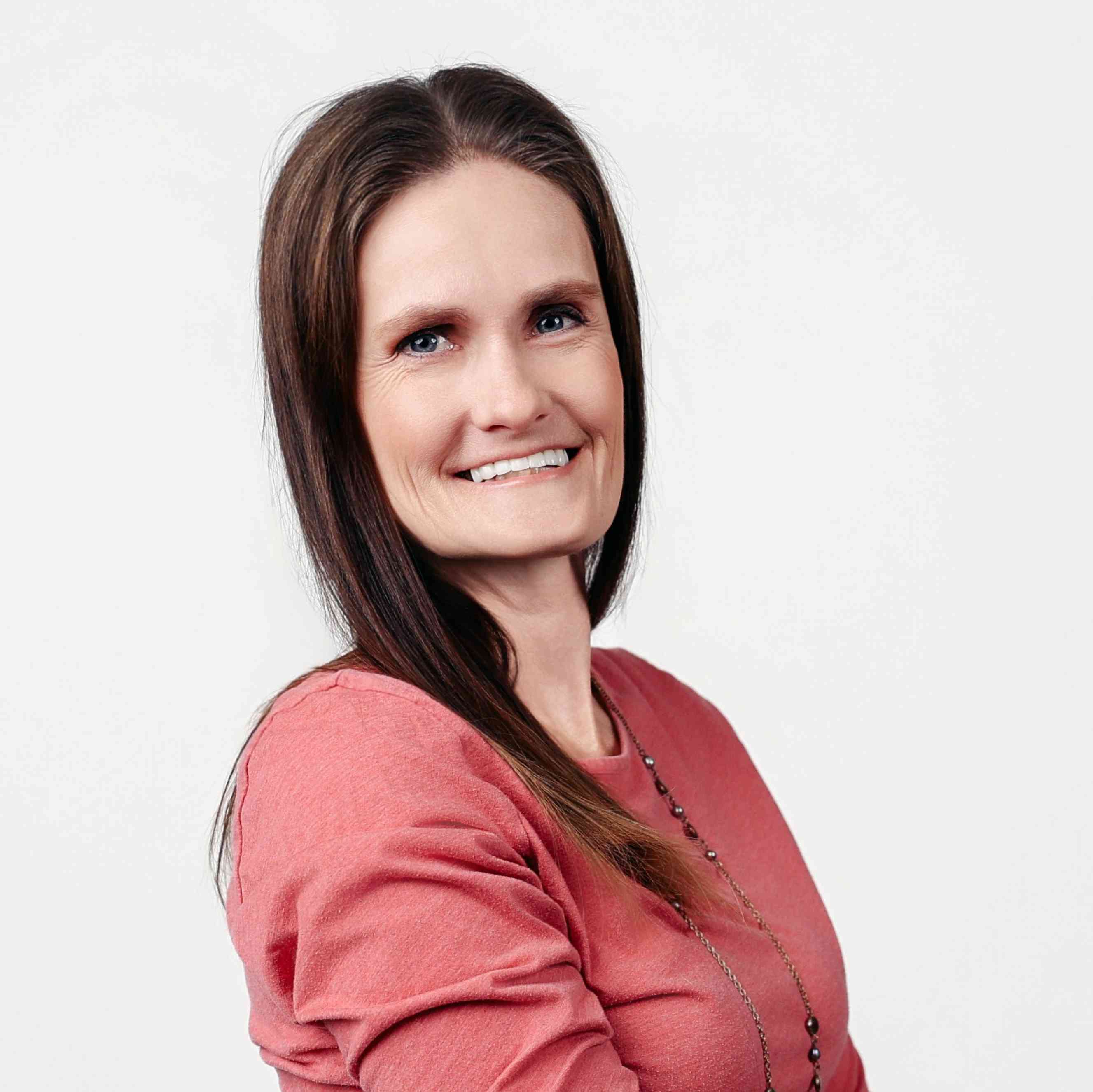
I enjoy working with individuals helping with change and growth in their lives.

Hi, an LCSW and Certified Sex Therapist helping clients build regulation, clarity, and connection.
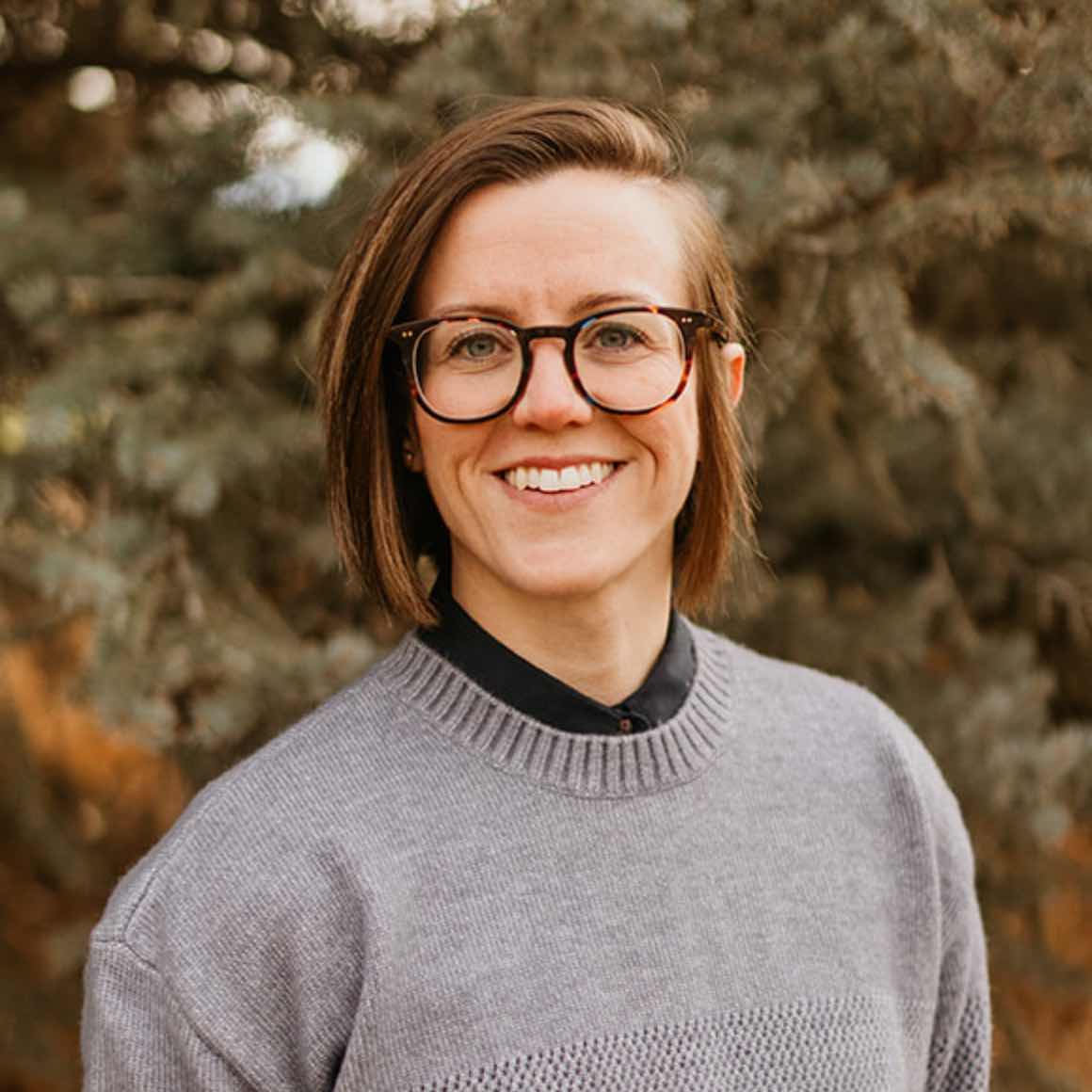
Therapist for high-conflict couples seeking clarity, differentiation, and deeper understanding.
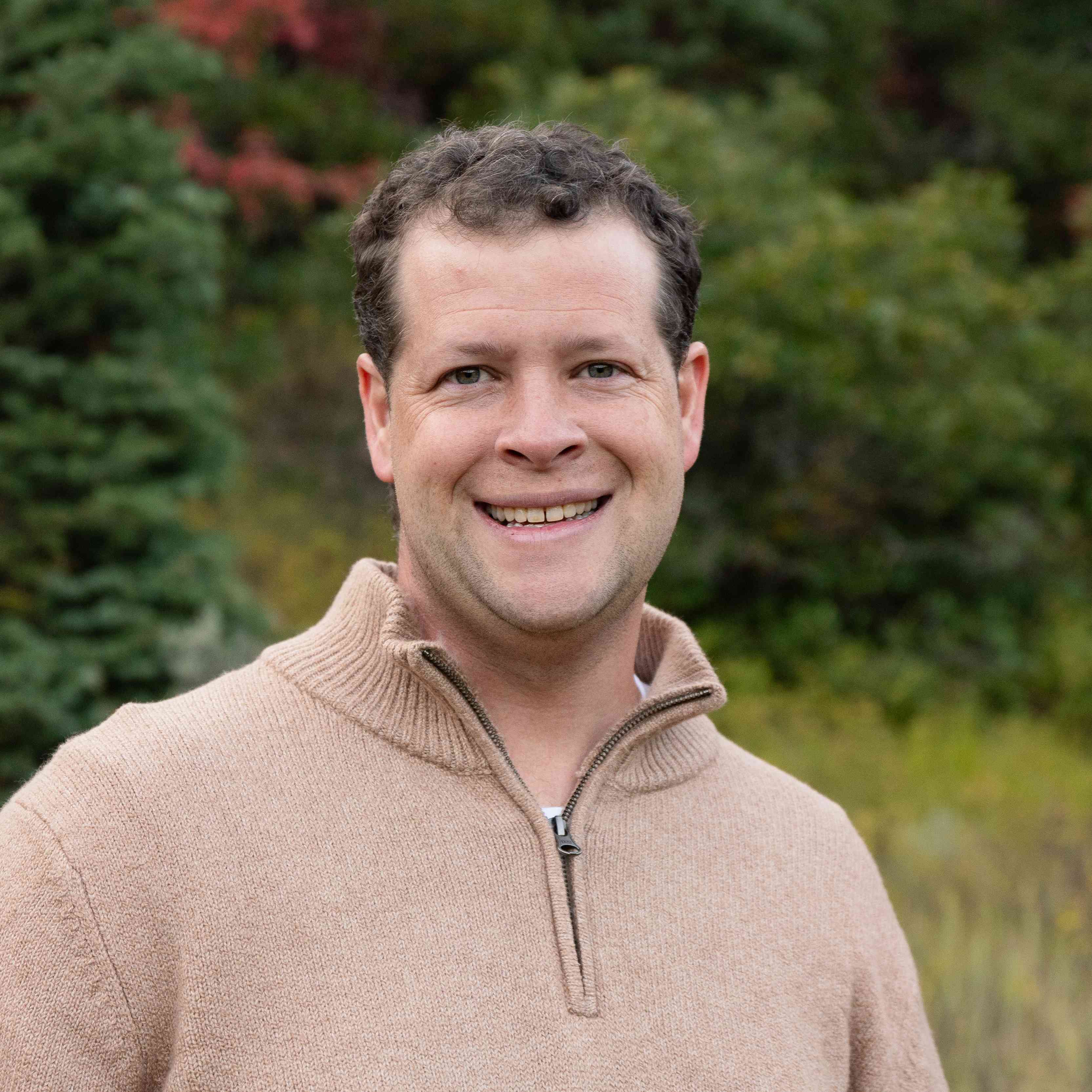
EMDR-certified, doctorate level therapist working with adults with childhood trauma and OCD
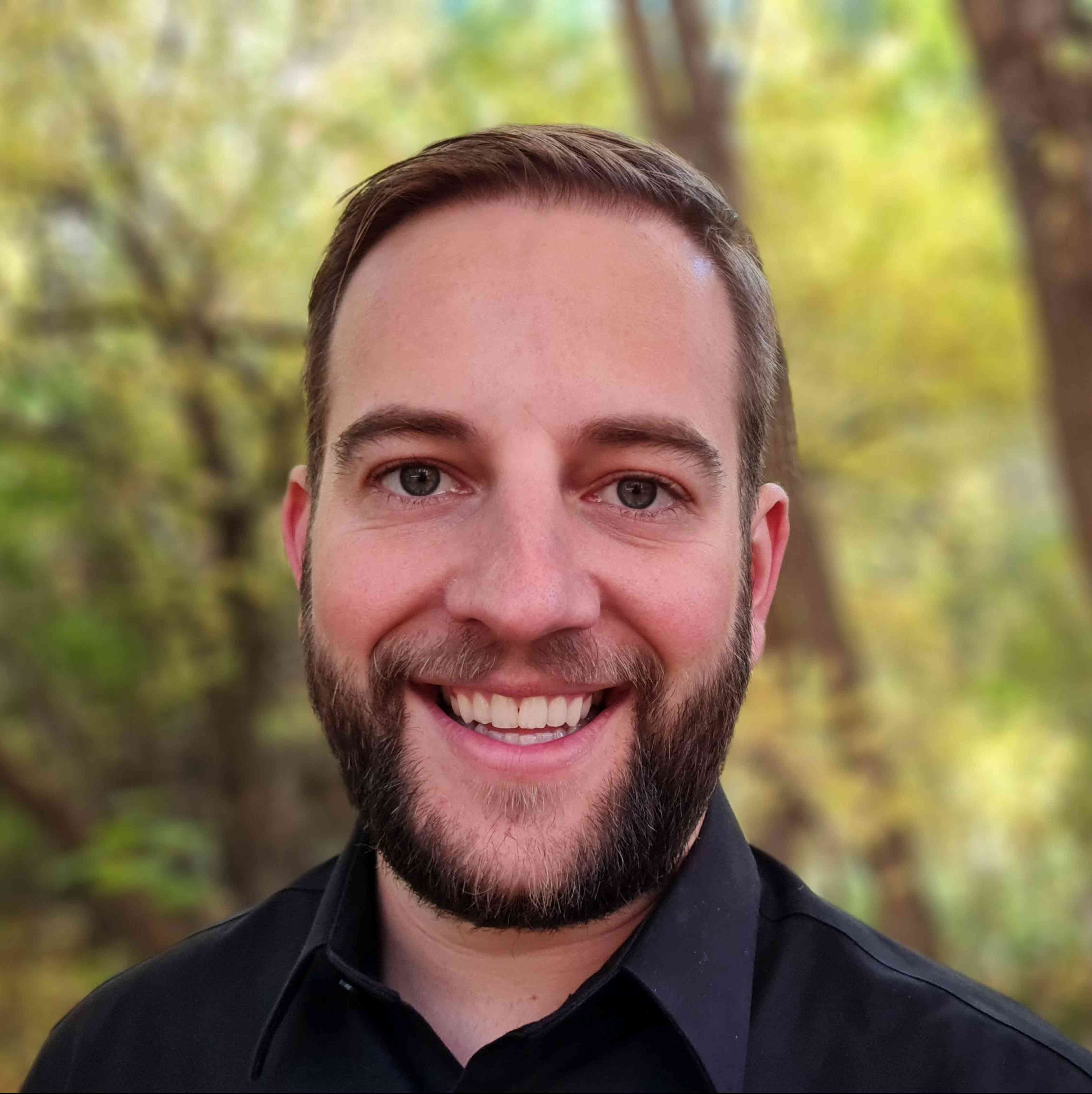
Secular psychologist helping with faith transitions, divorce, trauma, and relationship struggles.
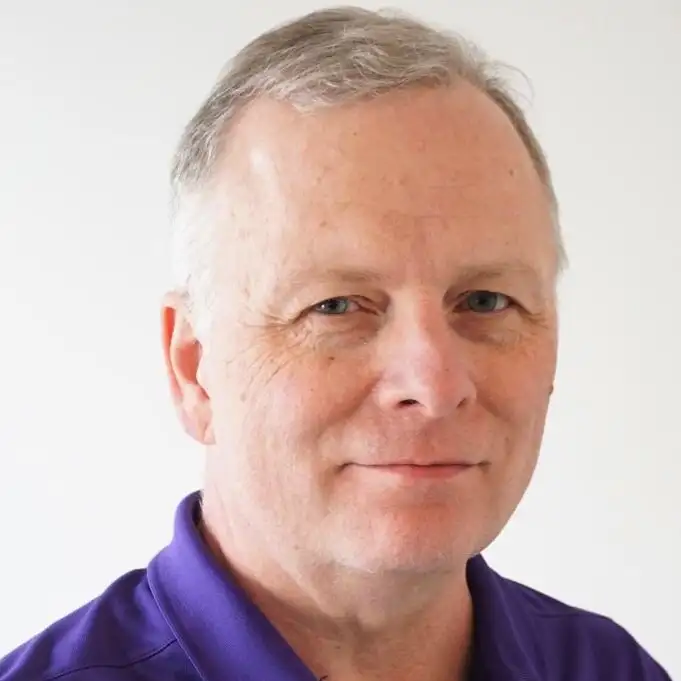
⭐ Steady, clear support for anxiety, parenting challenges, and digital overload.
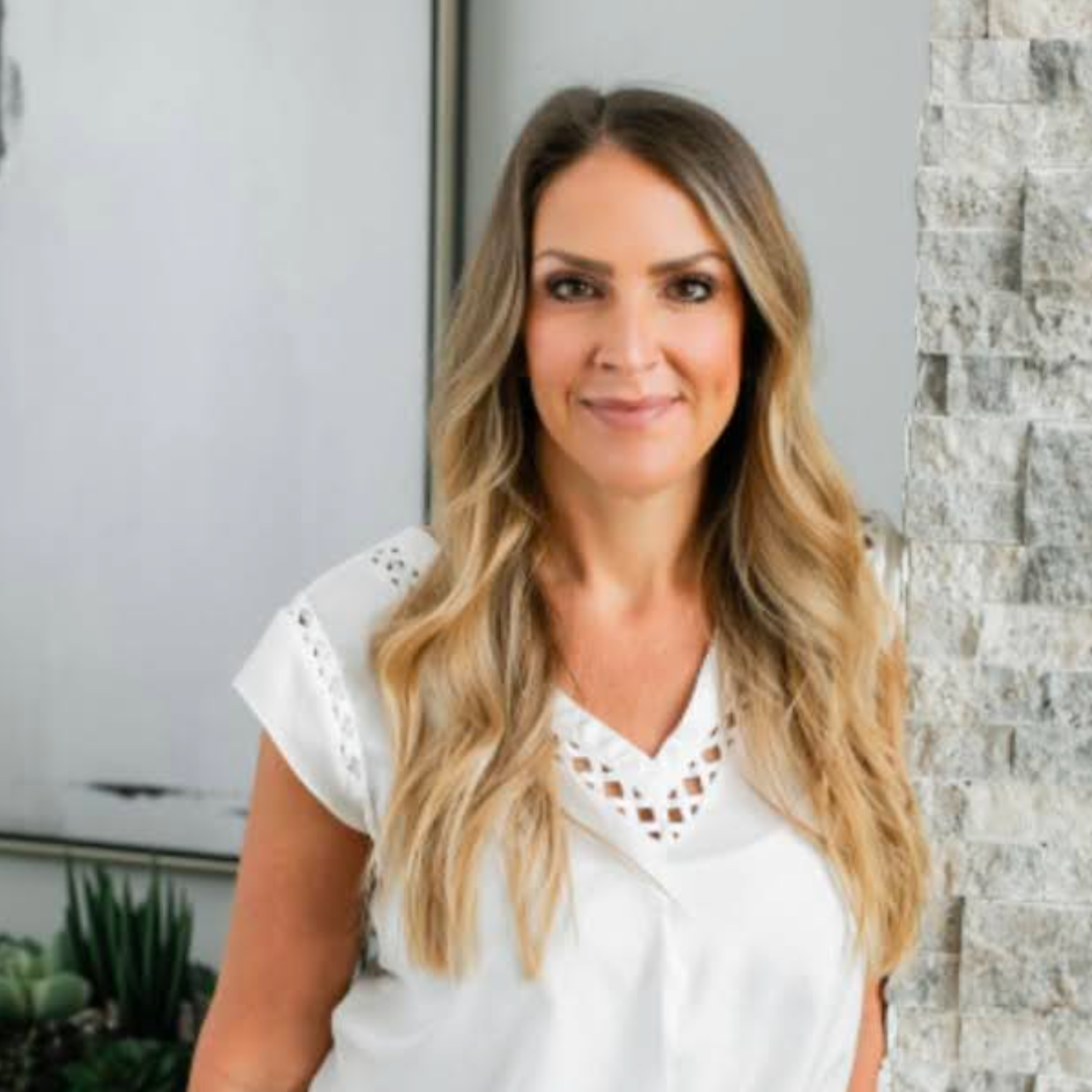
I provide useful therapy services for your needs. Located in Highland/Alpine, north Utah County.
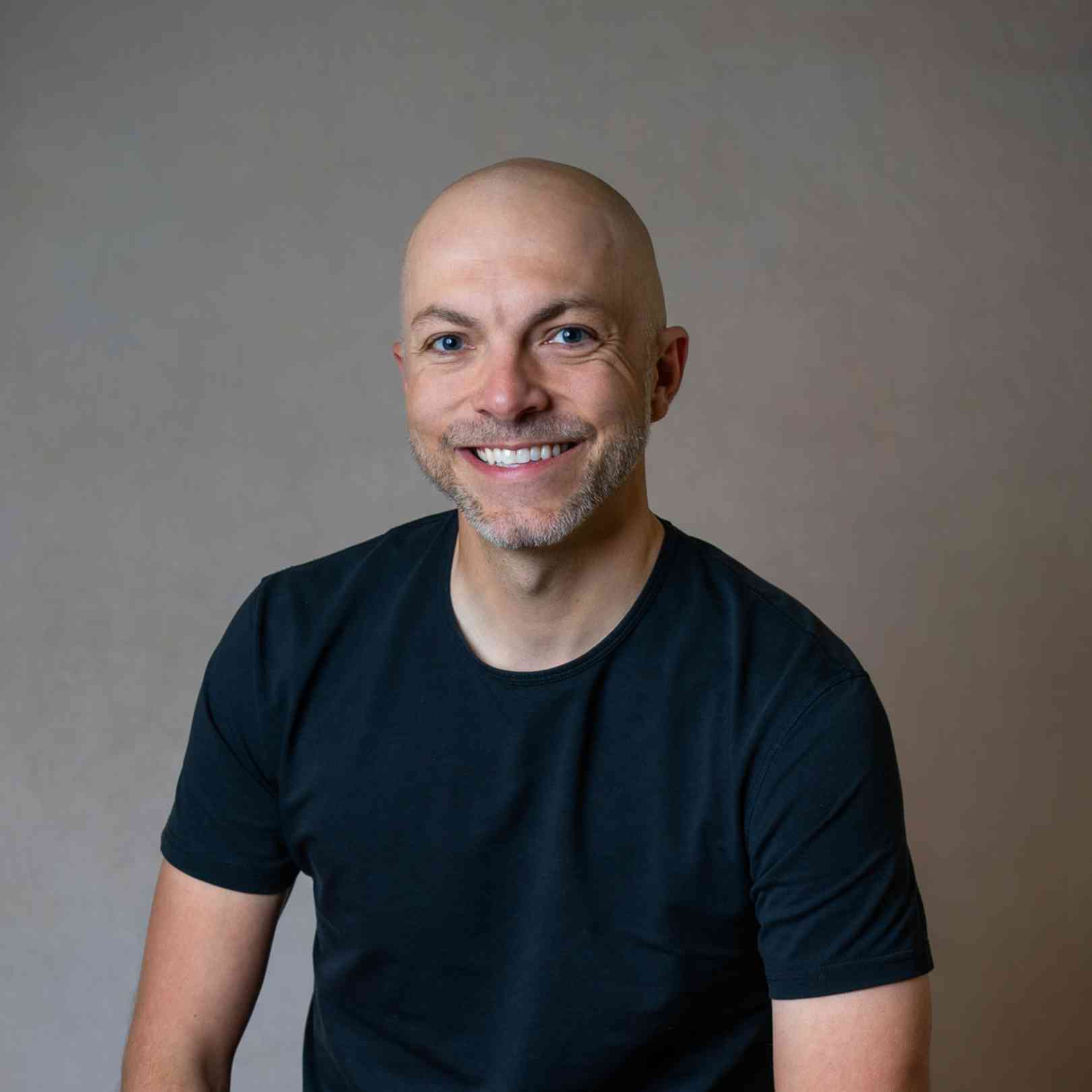
Helping individuals and couples heal trauma, build connection, and transform their lives.
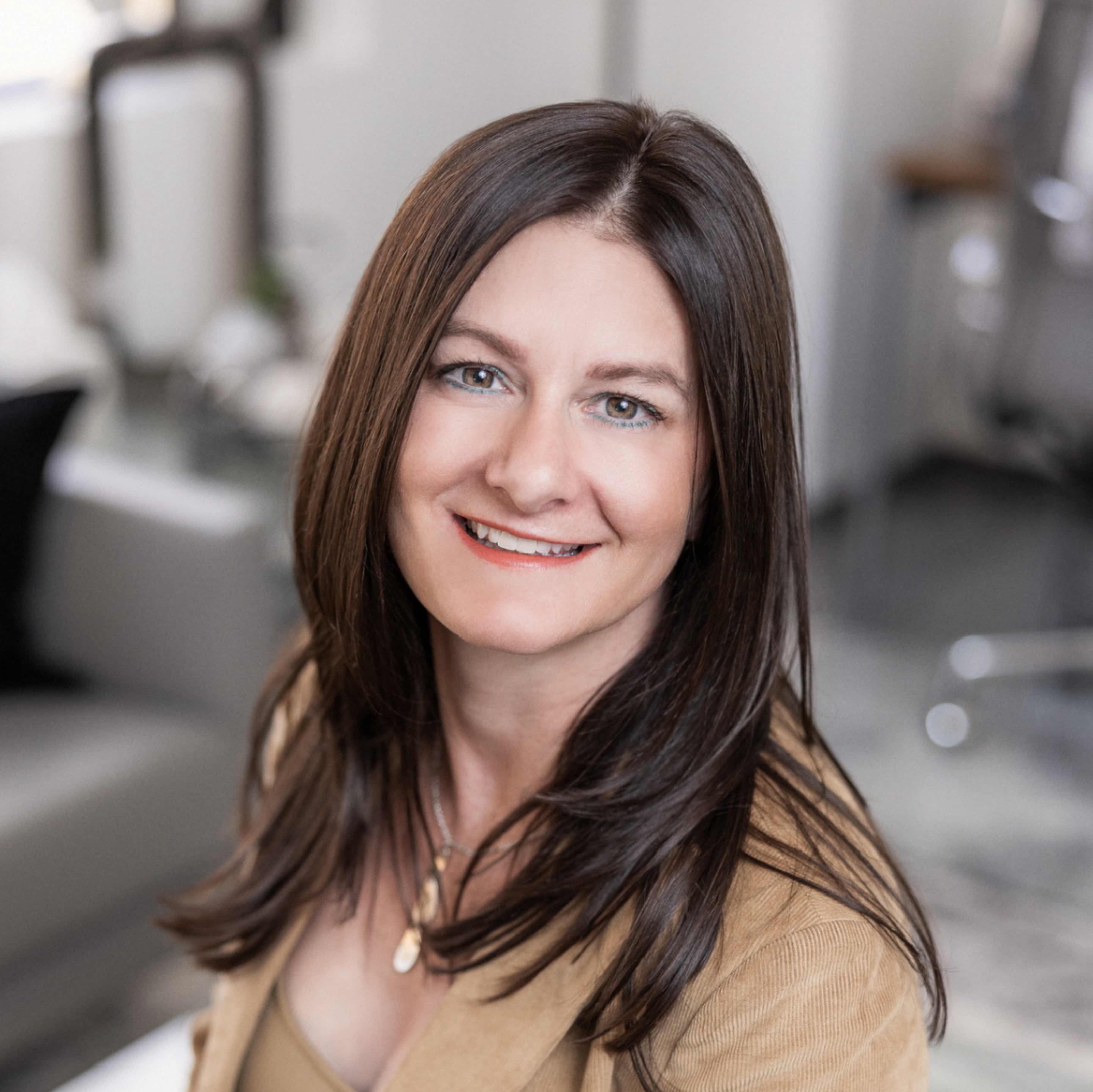
Certified licensed therapist and Certified Sex Therapist working with teens, adults and couples.
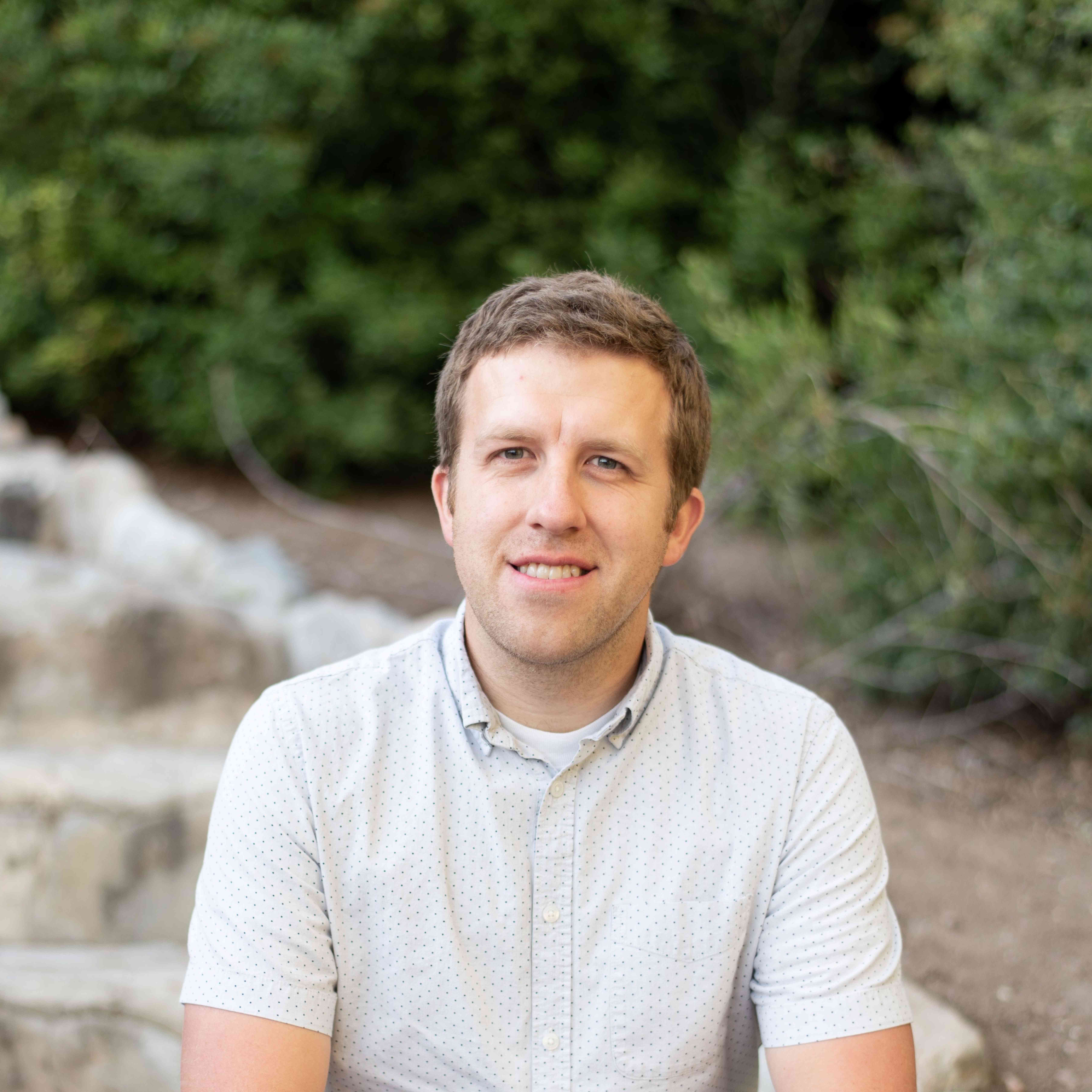
Helping adults frustrated with the dating pool to find and create valuable relationships.
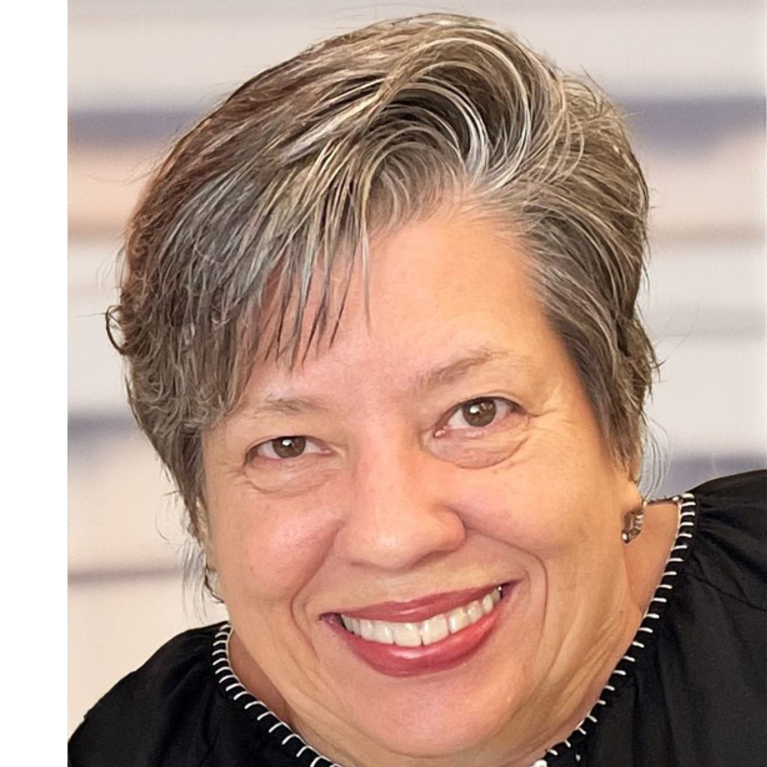
Compassion-focused therapist helping women navigate through life transitions.
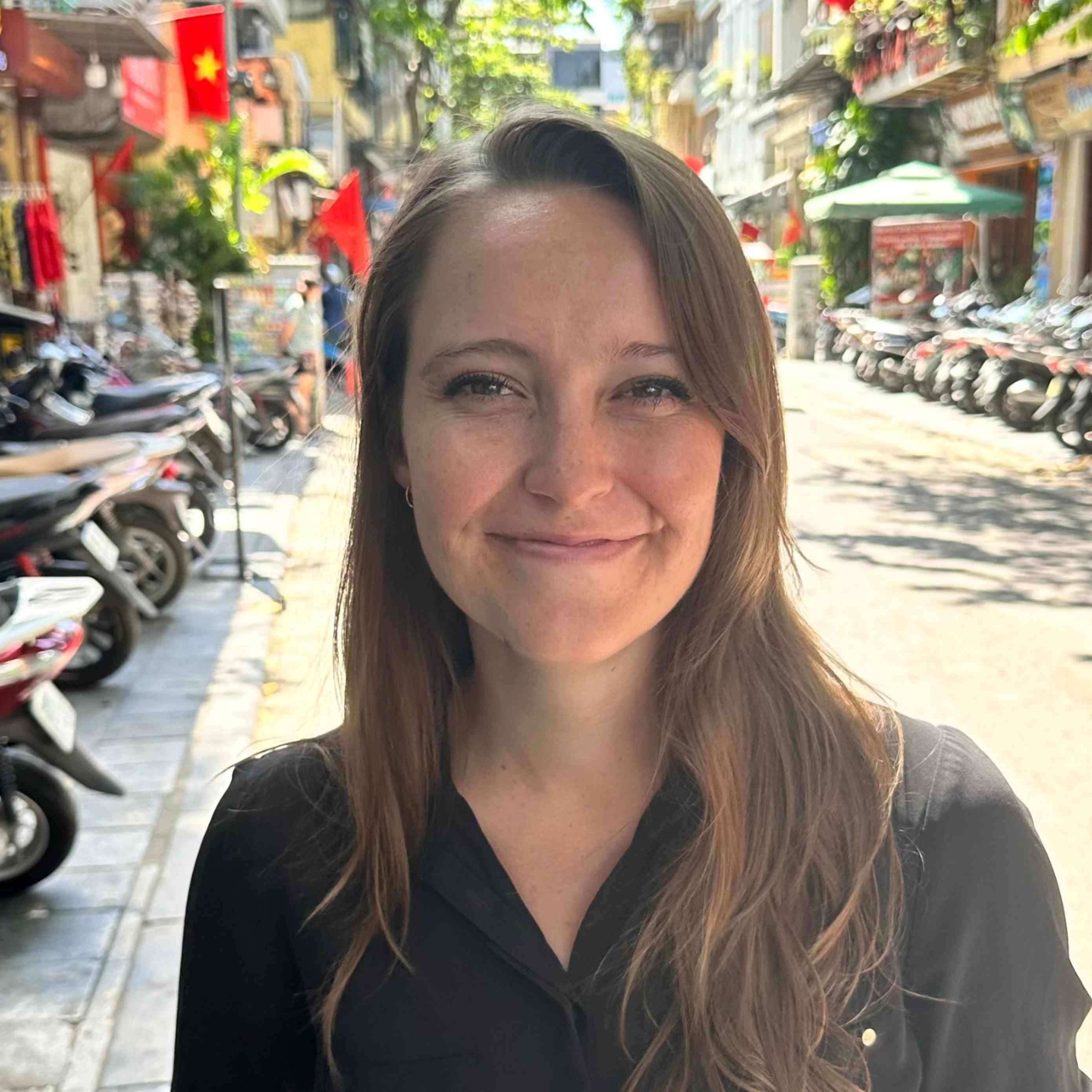
Anxiety, attachment, and trauma expert

I help adults and teens heal from trauma, anxiety, relationships, and life transitions.
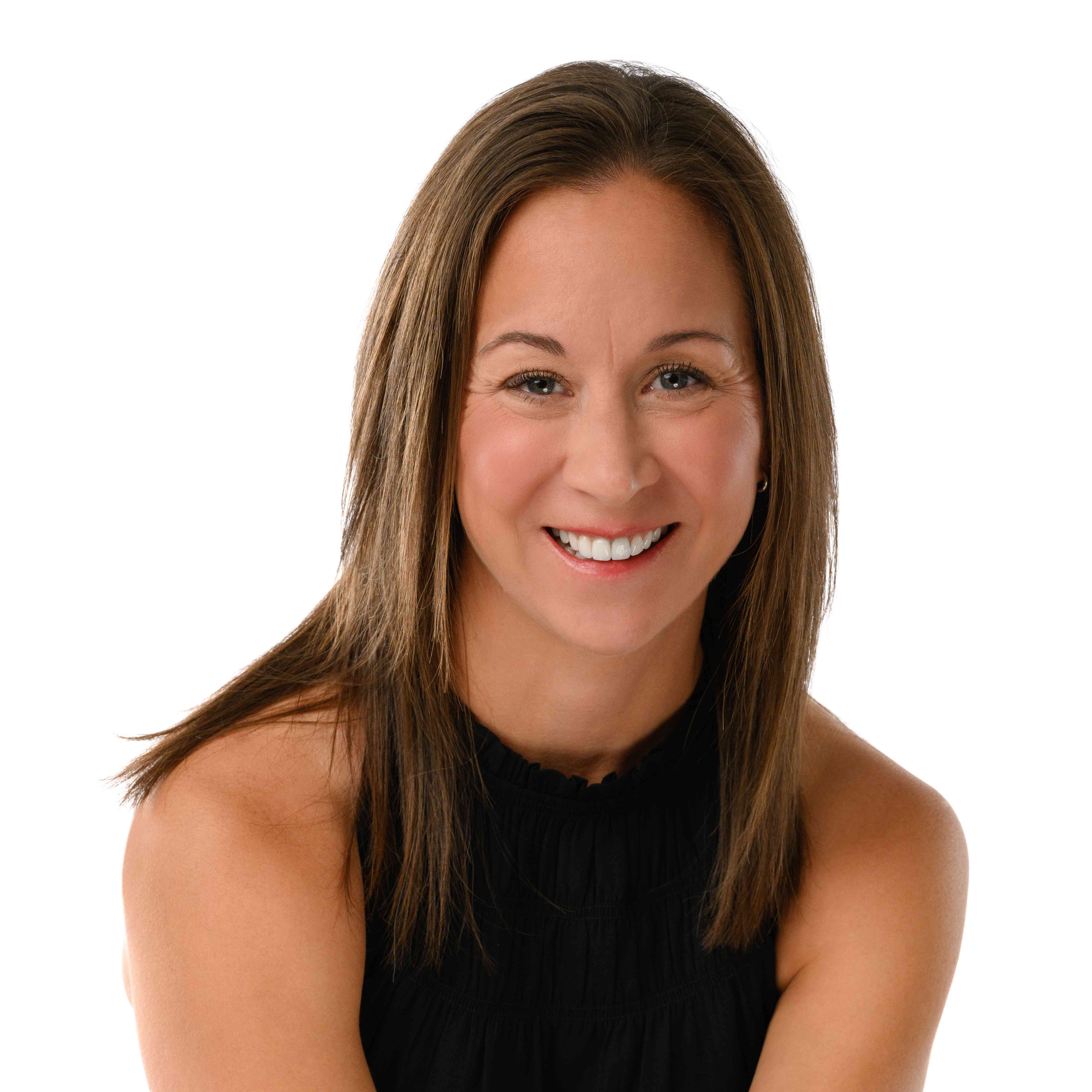
Specializing in EMDR, Trauma and Relationship Counseling.
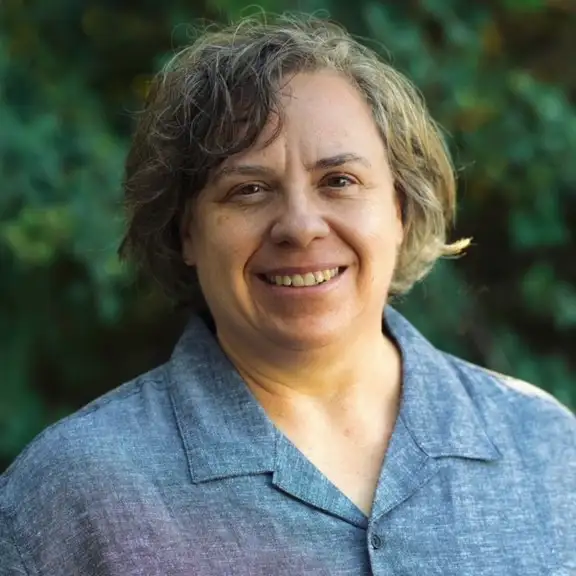
Helping support you toward a more peaceful and empowered life.
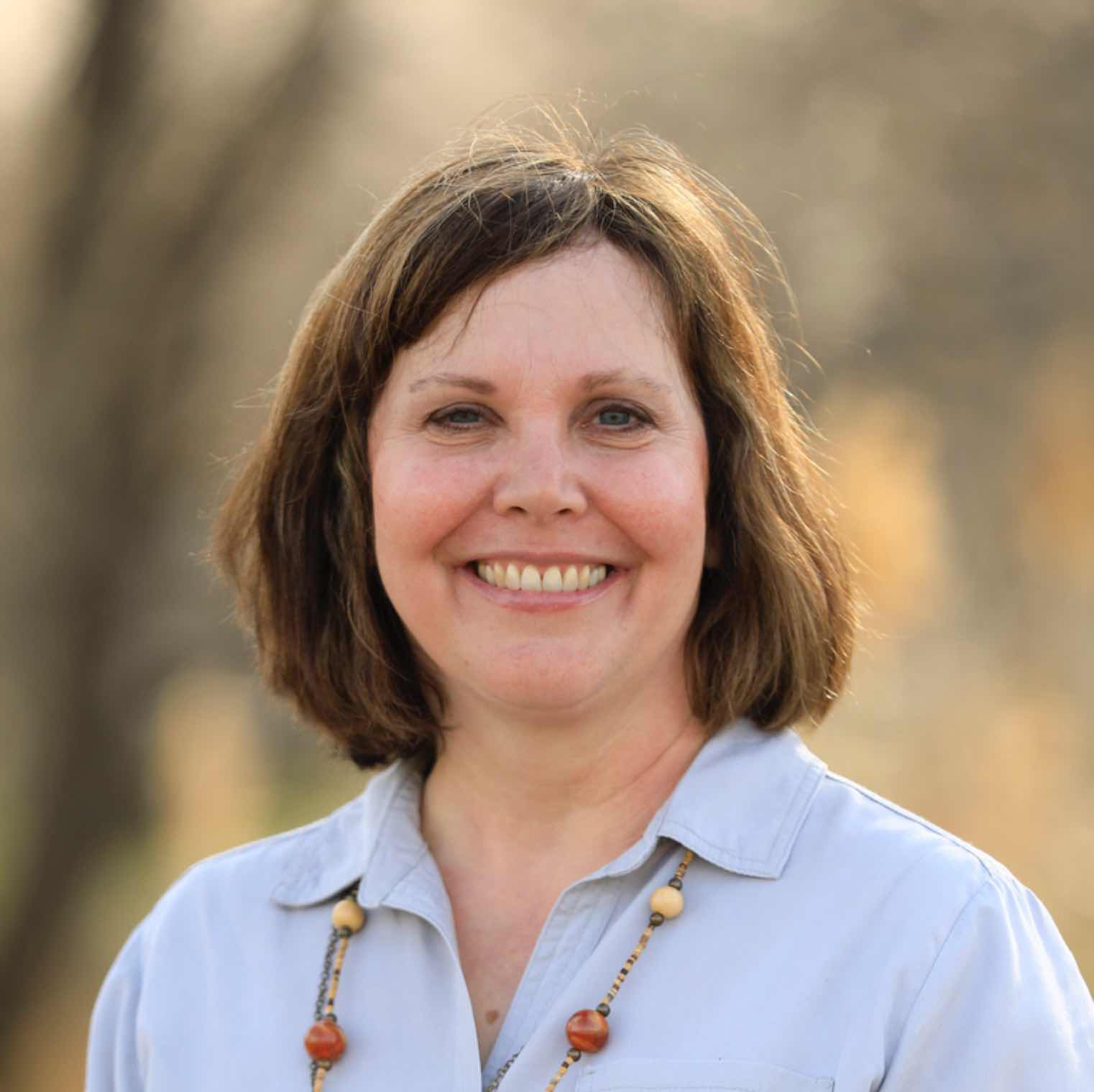
Helping individuals and couples heal from betrayal trauma, and other difficult life experiences.
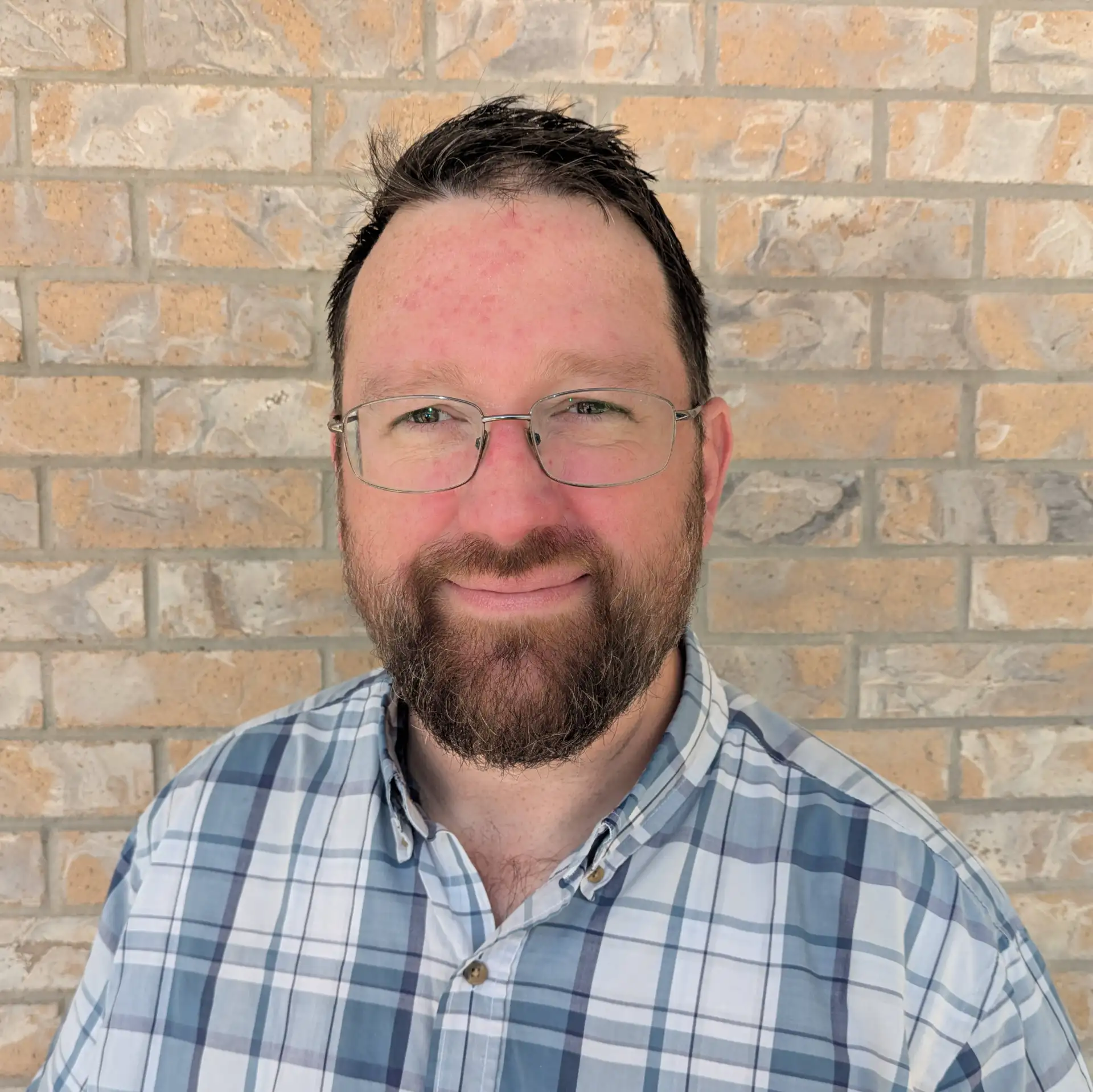
ART trained therapist helping adults, teens and couples with stress, communication and trauma.
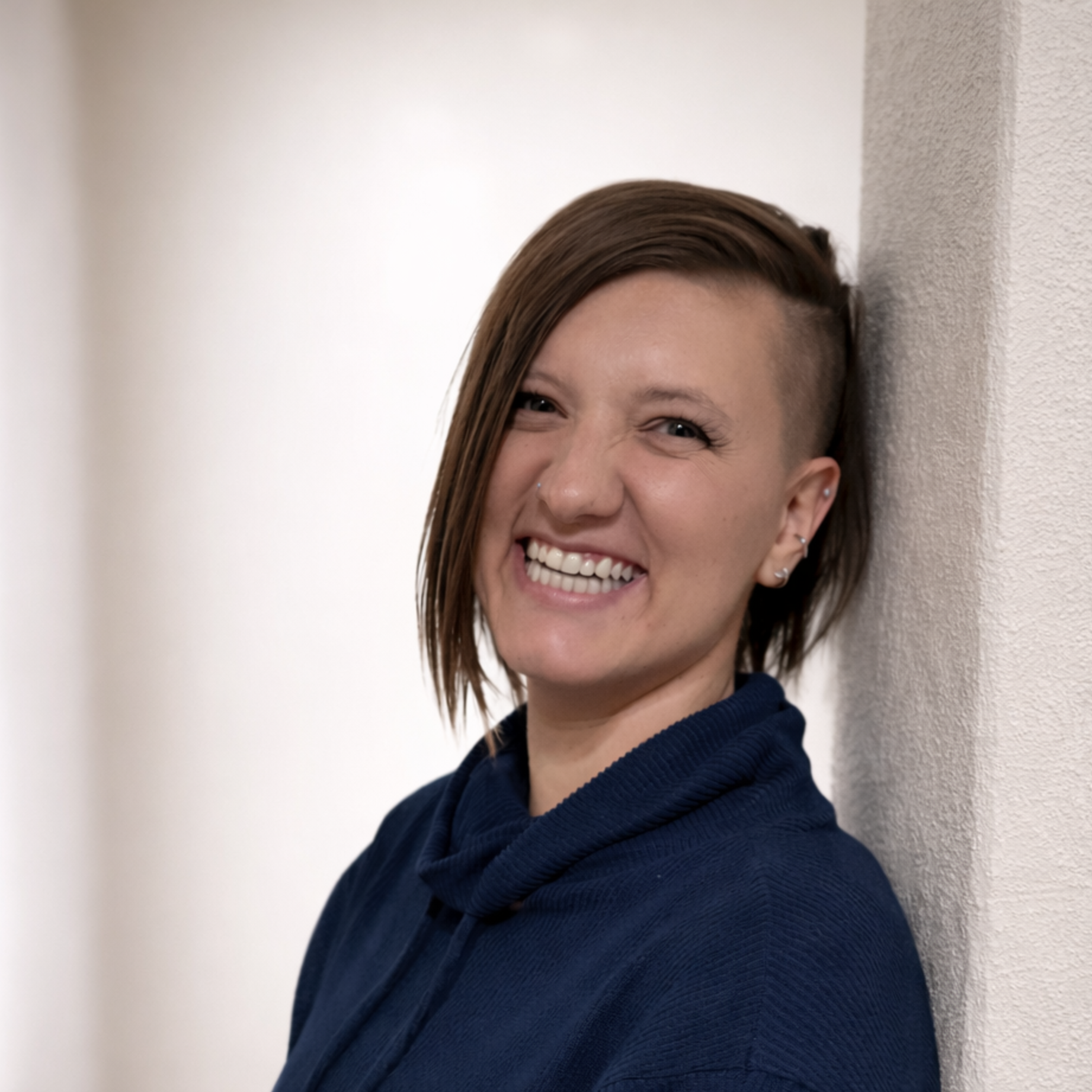
Helping you build self-trust, heal from trauma, and feel safe being fully yourself.

Therapist for anyone struggling with OCD, trauma, anxiety, or self-worth.
Helping adults heal from trauma, anxiety, and relationship struggles.
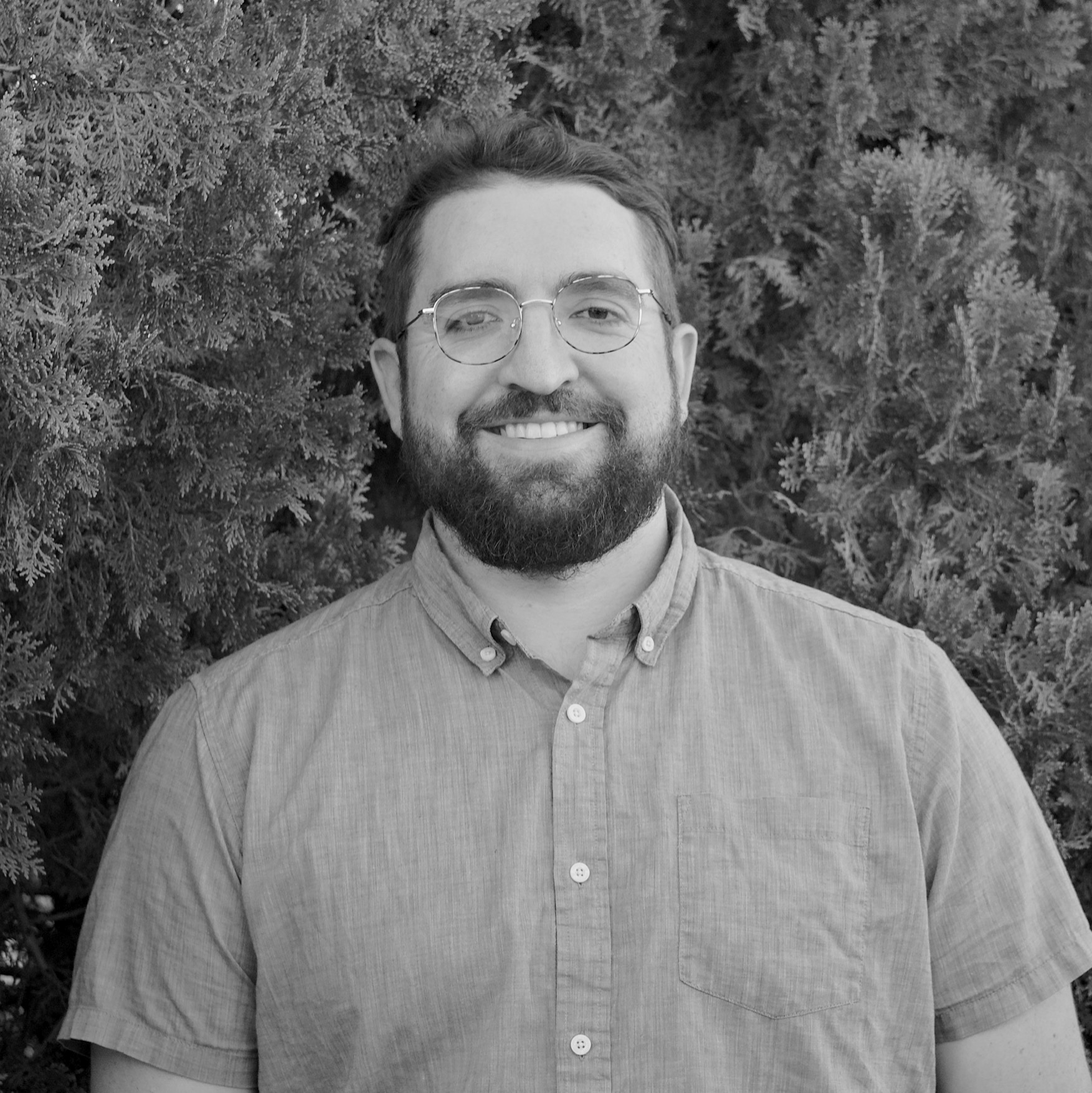
Relational and Individual therapist to help you increase connection, belonging and growth.
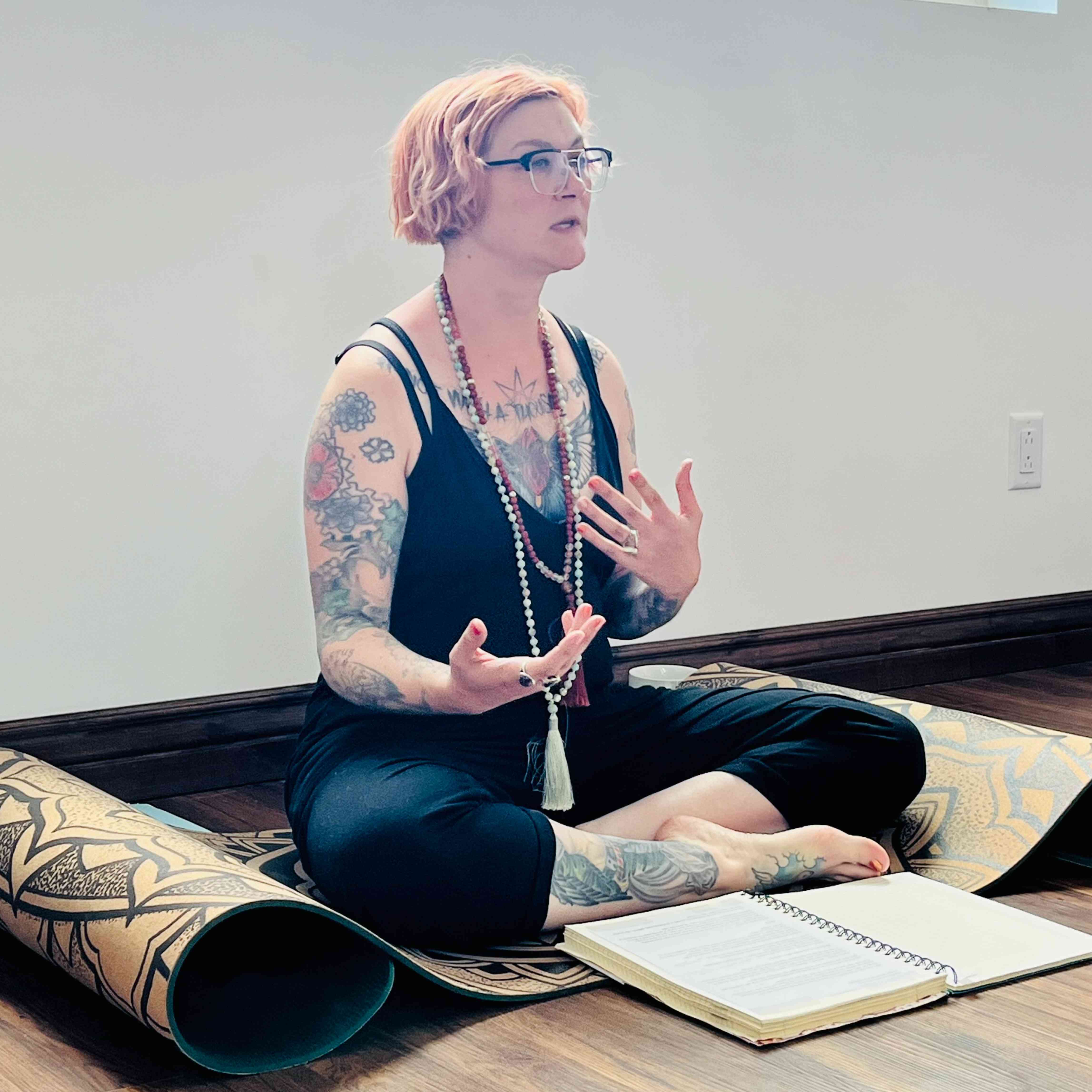
Treating Relational Trauma and Emotional Abuse using EMDR, IFS and Trauma-Sensitive Mindfulness.
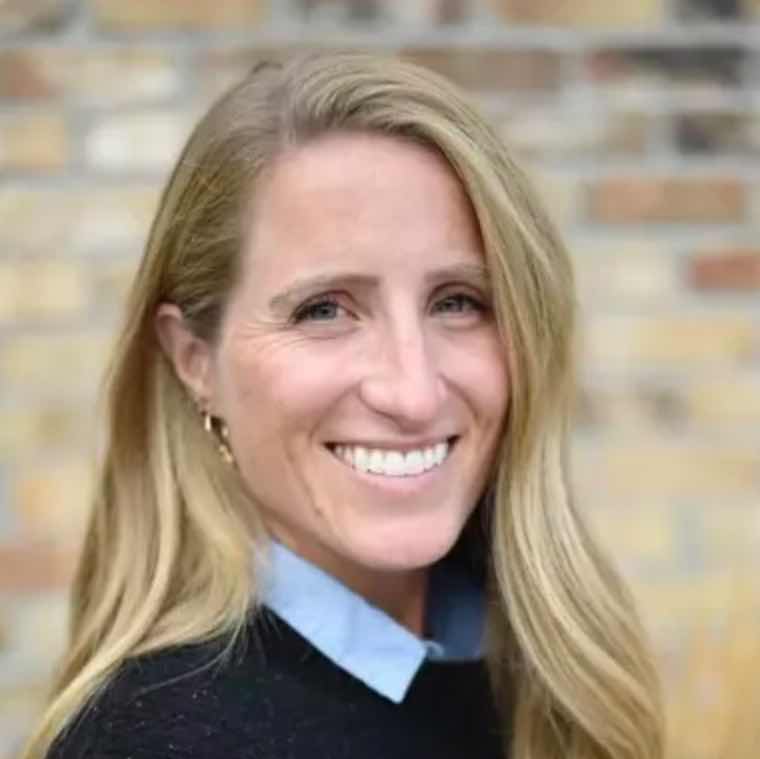
You're stuck, I help individuals, couples, and families to feel whole, connected, and strong.
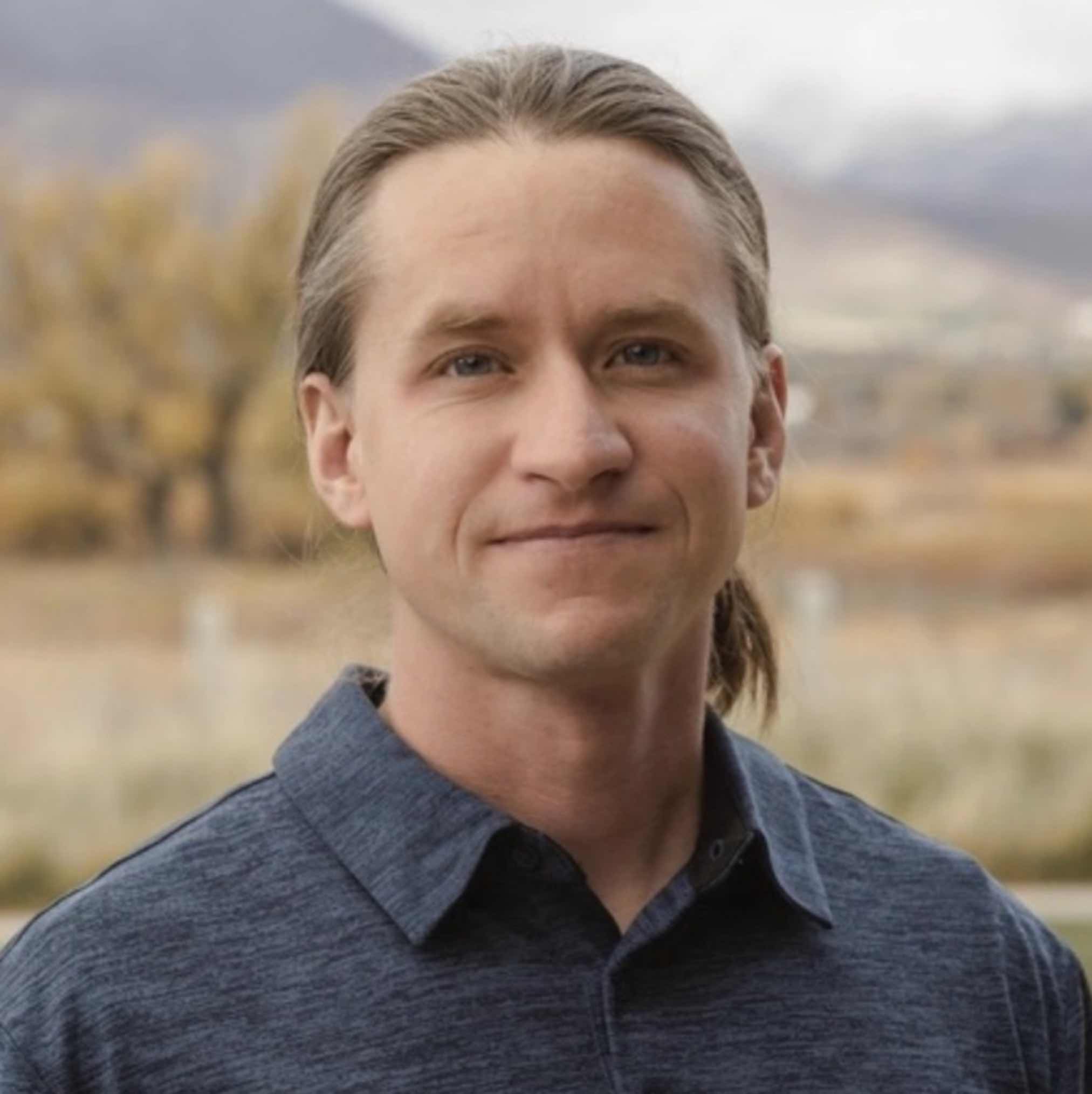
Practical and holistic. Helping you feel whole, connected, and strong.
Children, Teens, & Adults (Ages 2+) Registered Play Therapist Trauma Informed/Trained
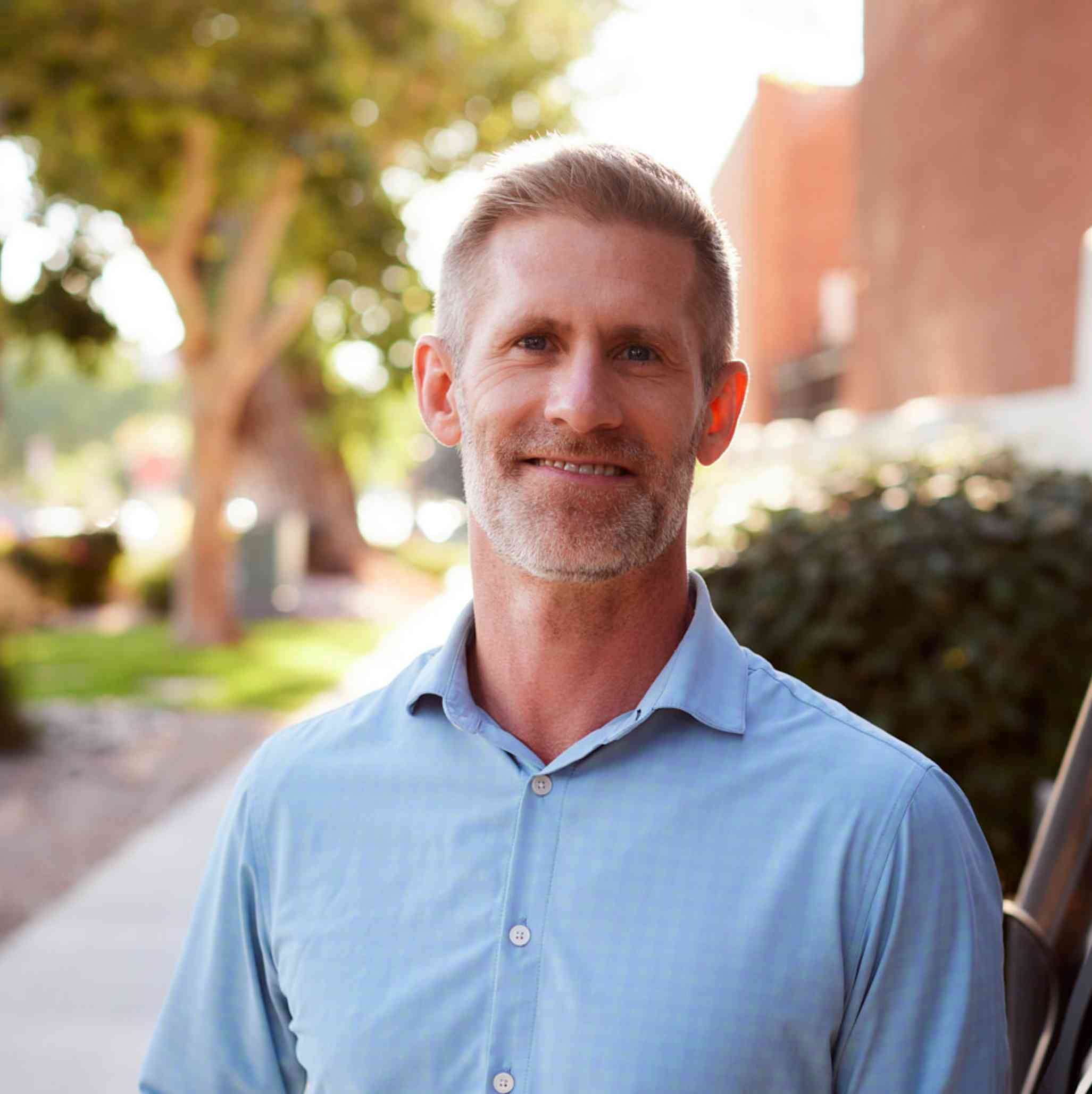
Tired of battling your mind? I help clients untangle from their thoughts and take meaningful action.

Trauma-trained therapist for individuals and couples seeking to create a life they love living.
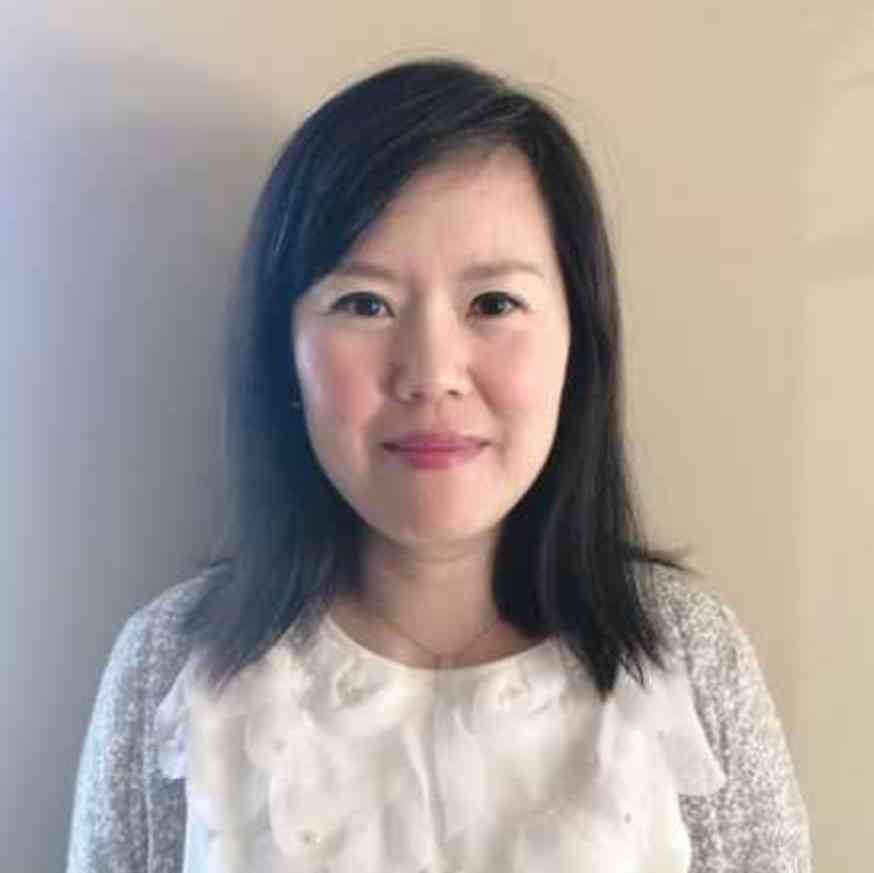
- Help high-achievers with Trauma, Anxiety, PTSD. - Trauma therapist utilizes EMDR, IFS, & DBT.
Eating disorder therapy that takes you seriously and helps you move toward meaningful change.

Is a part of you stuck in the past? I help people heal from trauma through EMDR, ART and IFS.
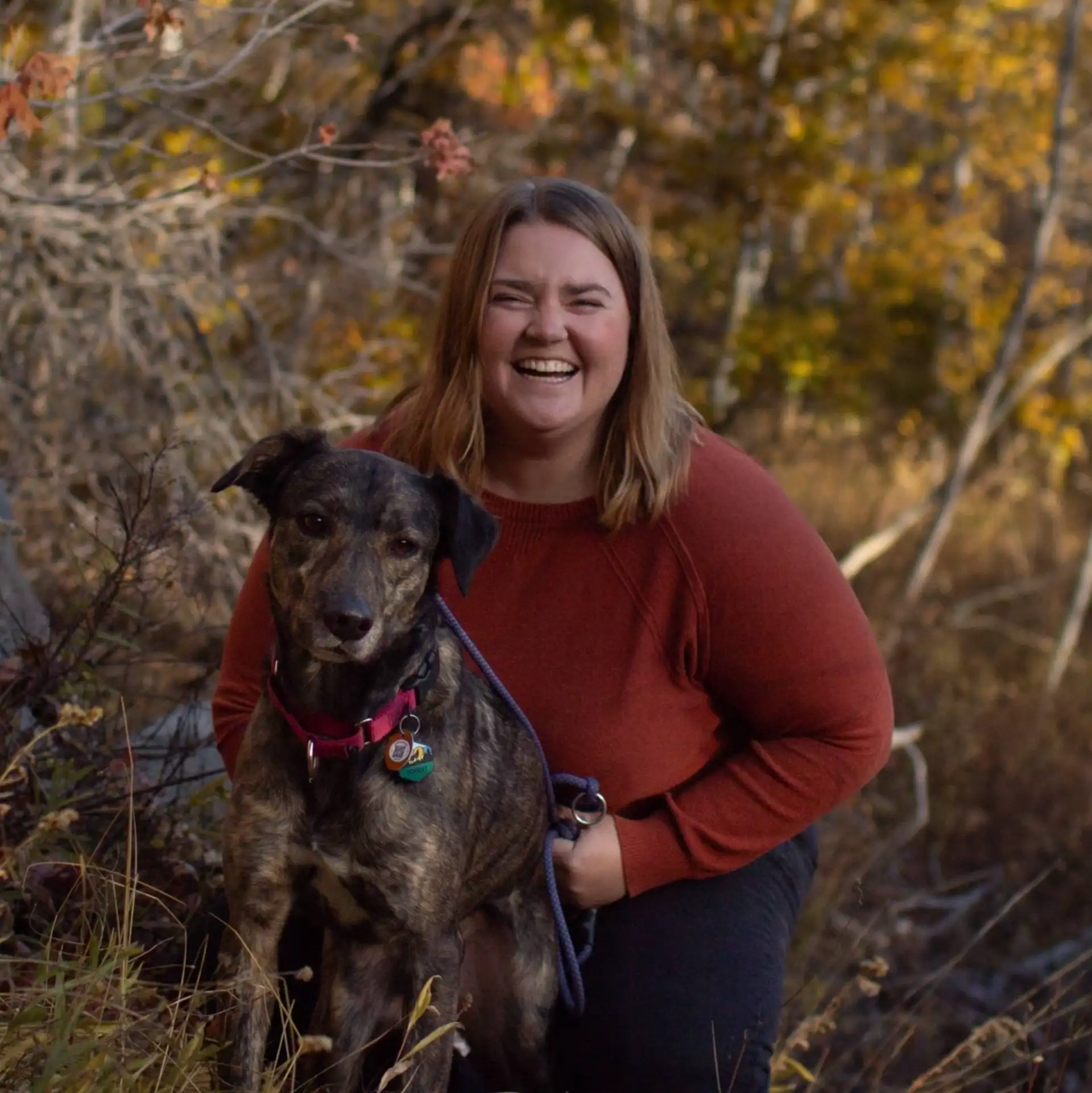
Helping young adults reconnect with themselves beyond anxiety and self-criticism.
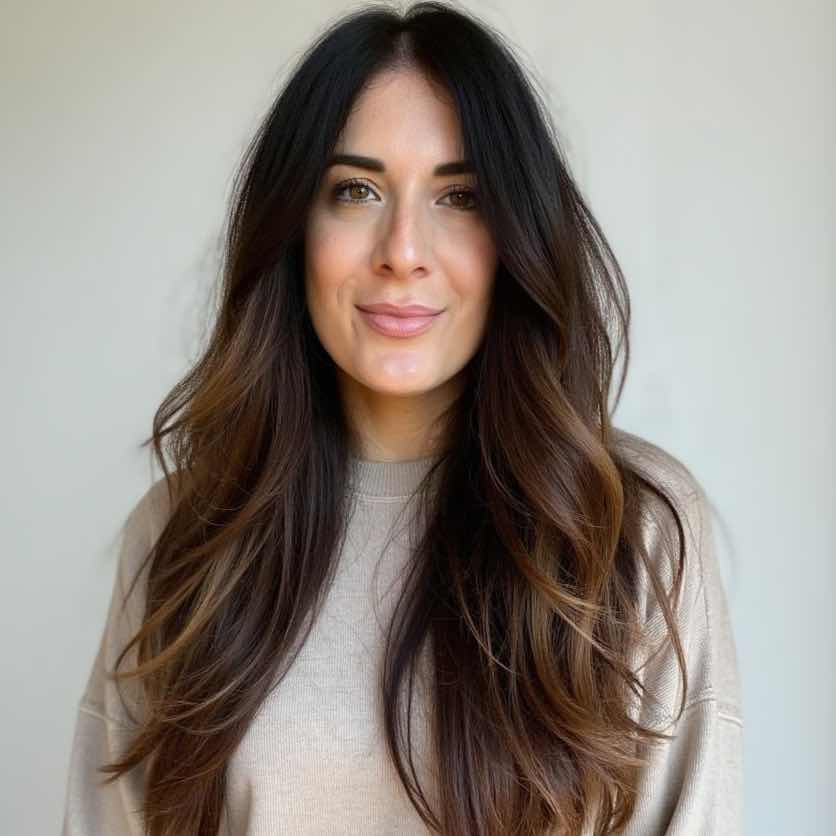
Compassionate trauma therapist specializing in EMDR, somatic healing, and self-worth.
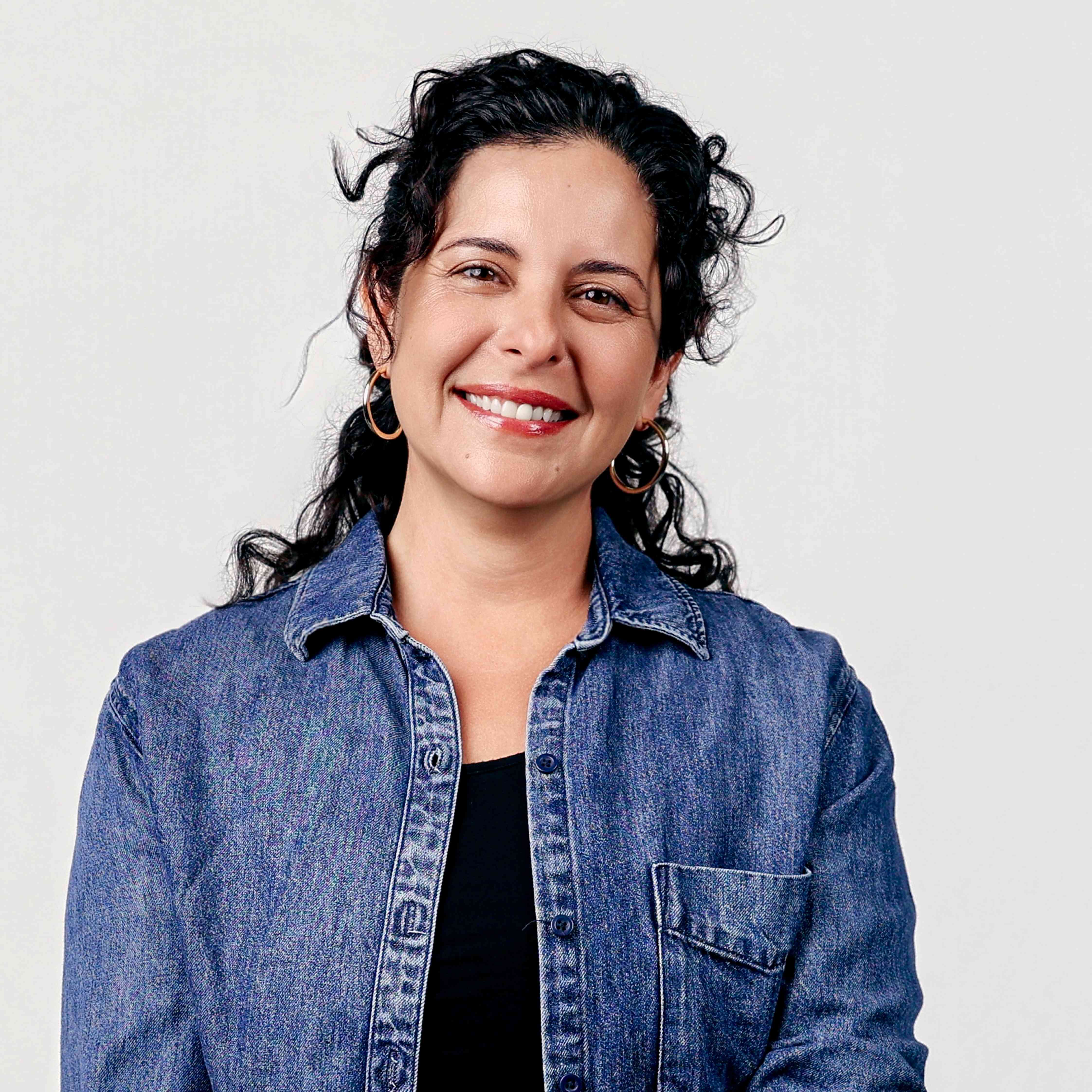
I believe that therapy is a collaborative process—and that healing happens in relationship.
Licensed in UT, OR, WA, MA. I focus on attachment, body, emotions; AEDP and EFT trained.

A space to slow down, feel deeply, and reconnect with yourself.
Utah Online Therapy for religious trauma, anxiety, perfectionism, and self-worth.
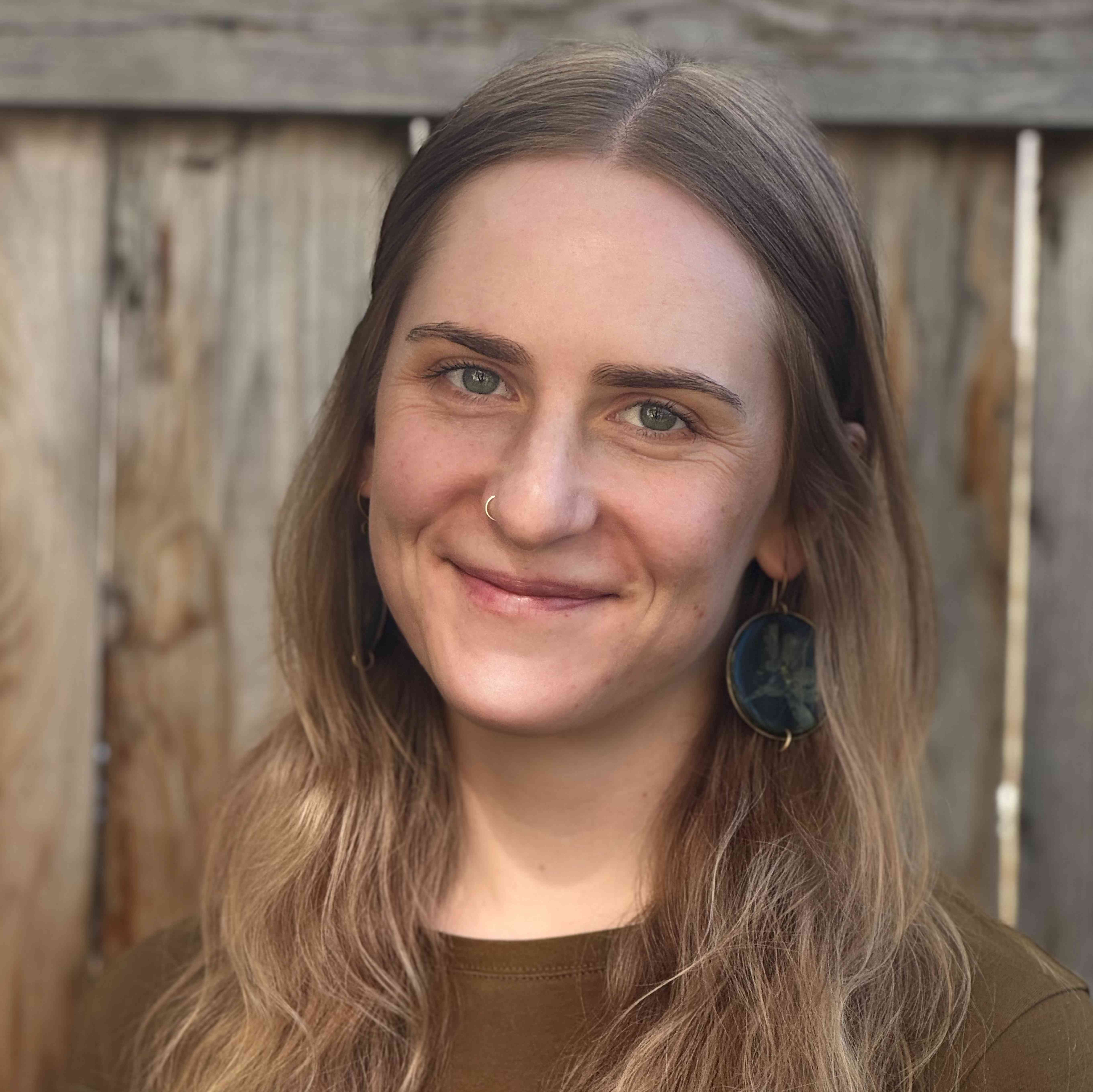
Collaborative, trauma-informed therapist working with young adults and older.

Relational therapist that believes community and connection is the pathway to healing.
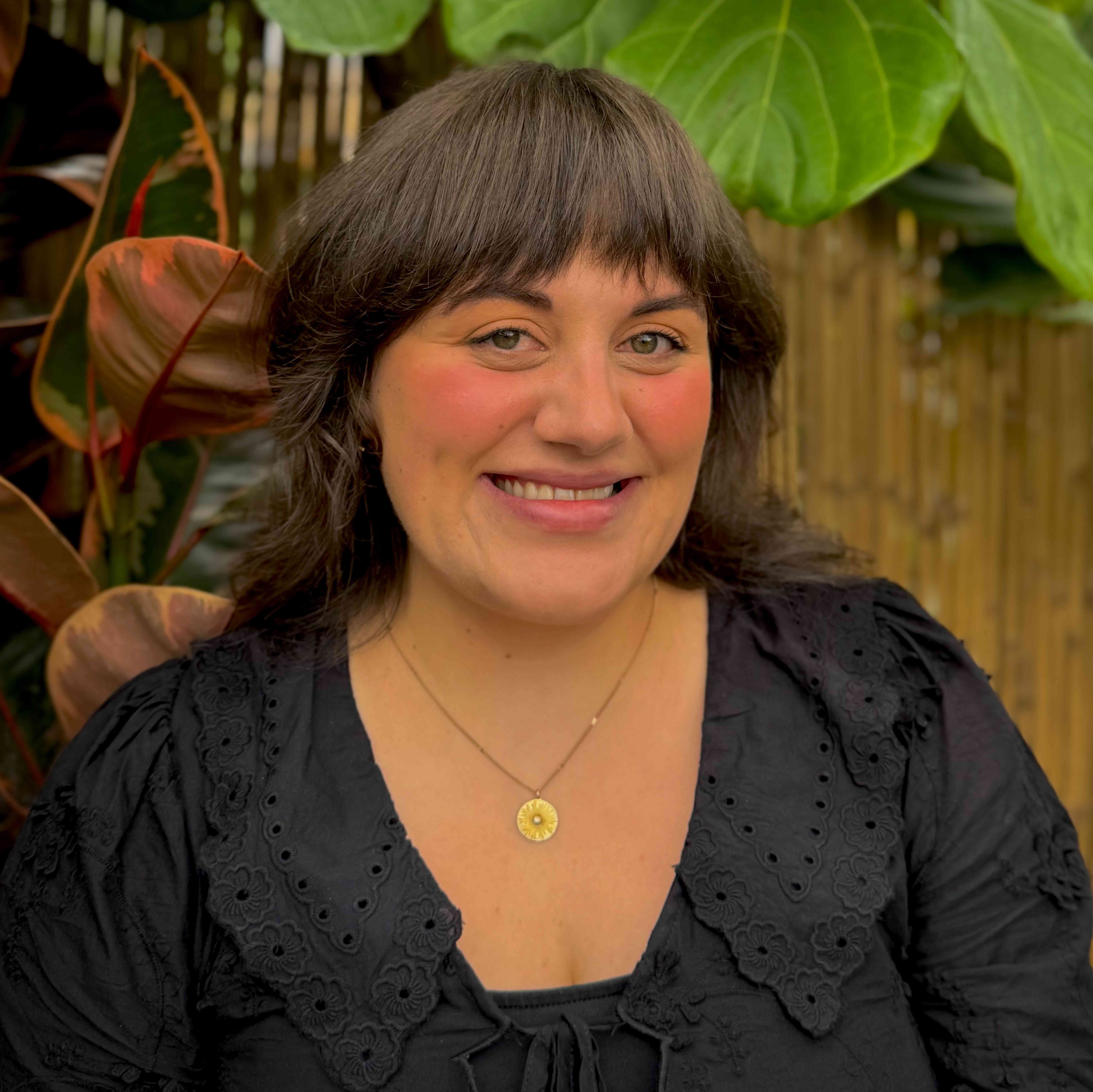
Therapist for all ages, helping navigate anxiety, life transitions, grief and more
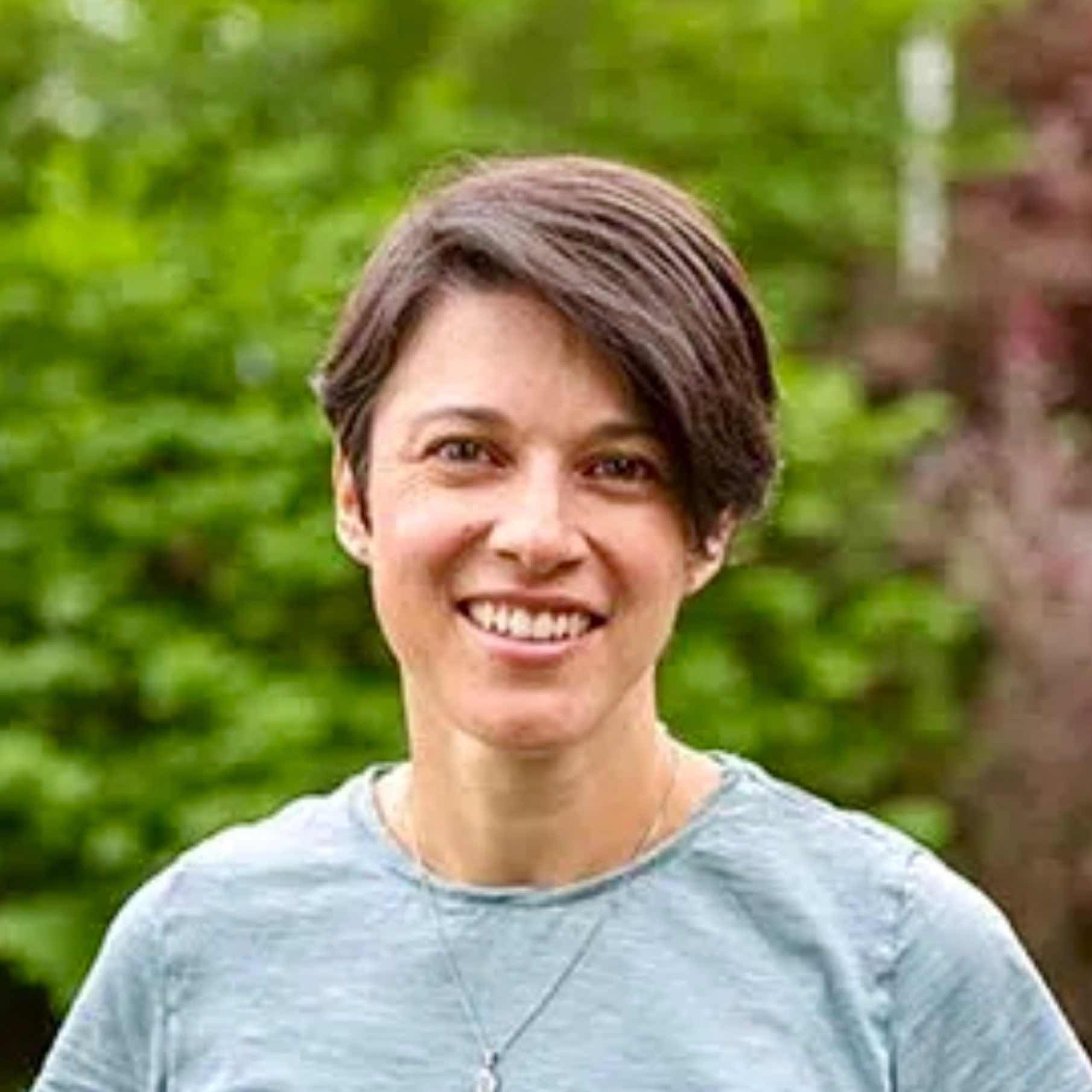
Amalia (she/her) is a native Costa Rican who completed her bachelor’s degree in eco-tourism.
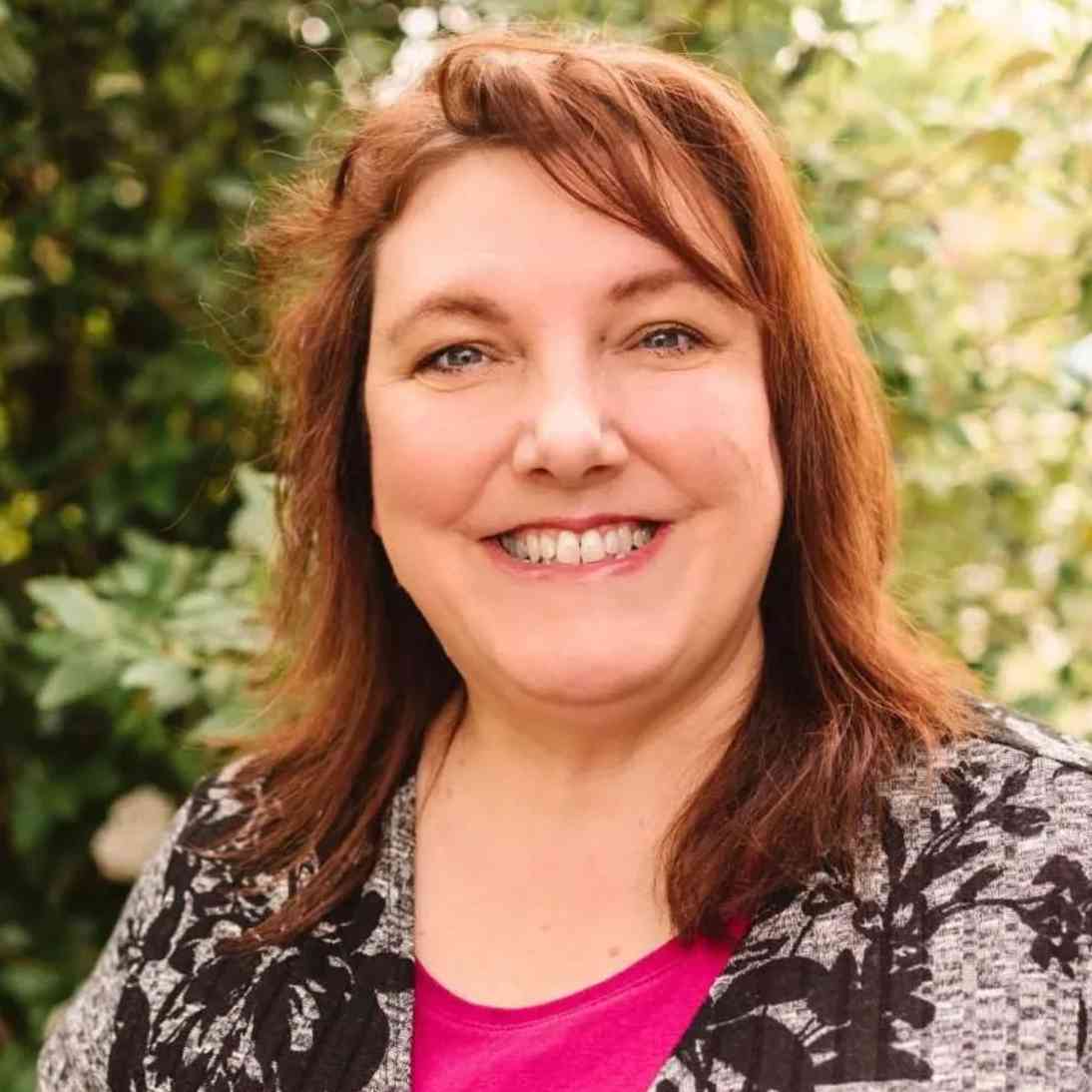
Attachment-based therapist helping stressed-out adults and families move from chaos to connection.
Book-loving therapist fueled by bread, travel, animals, music, cozy blankets, and research.
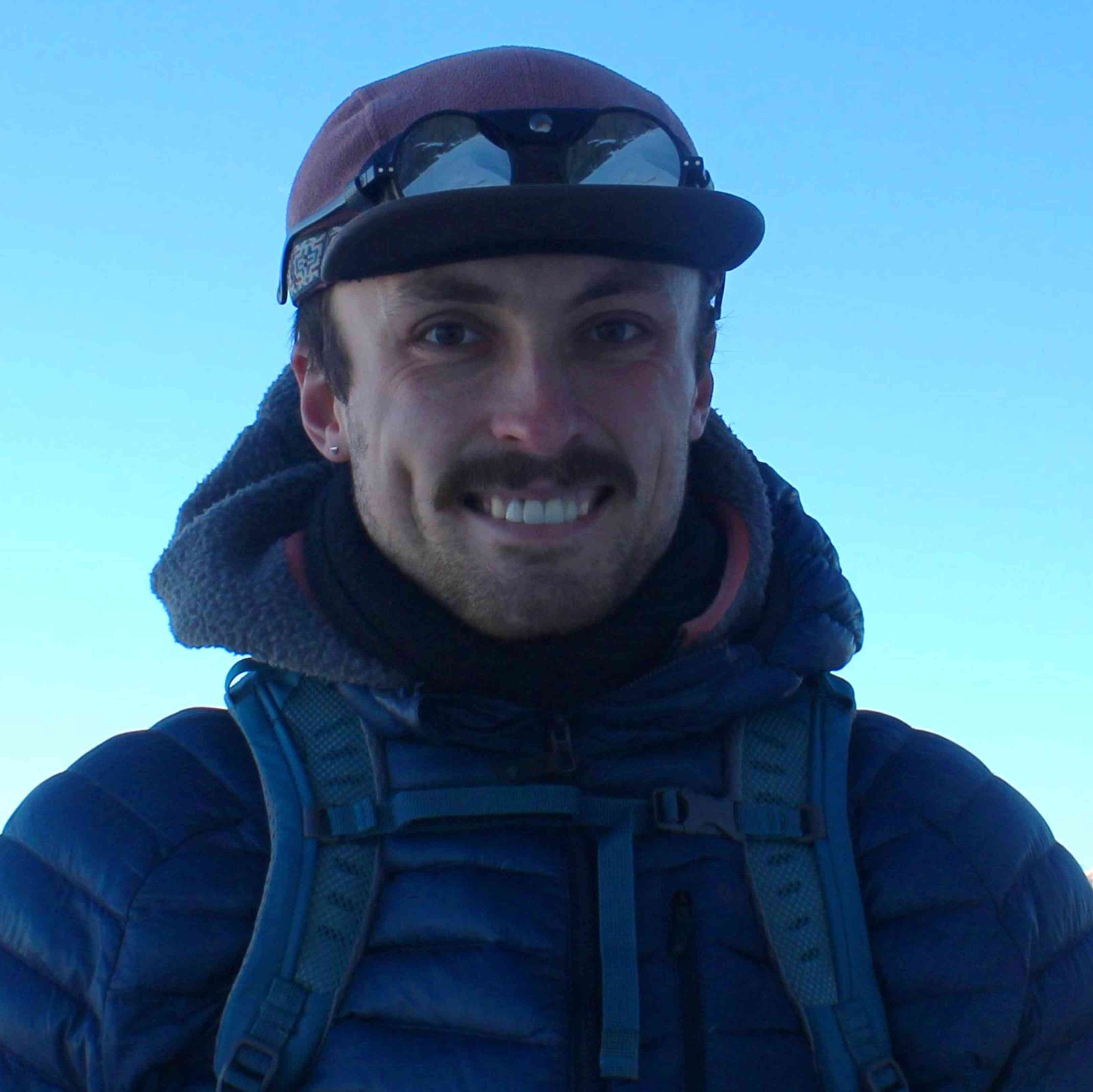
Trauma and Relational Based therapist working with Kids, Teens, Adults and Couples

Trauma-informed therapist with warm, relational approach

My approach to therapy is collaborative, compassionate, and grounded in evidence-based practices.
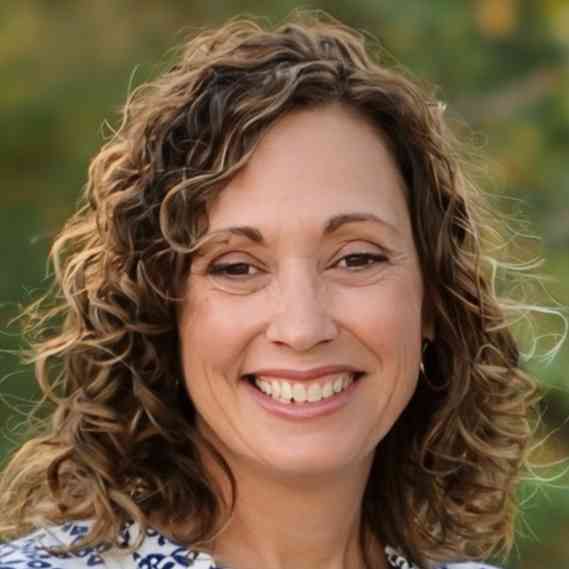
Therapist helping client's navigate anxiety, trauma, OCD, and challenges in motherhood
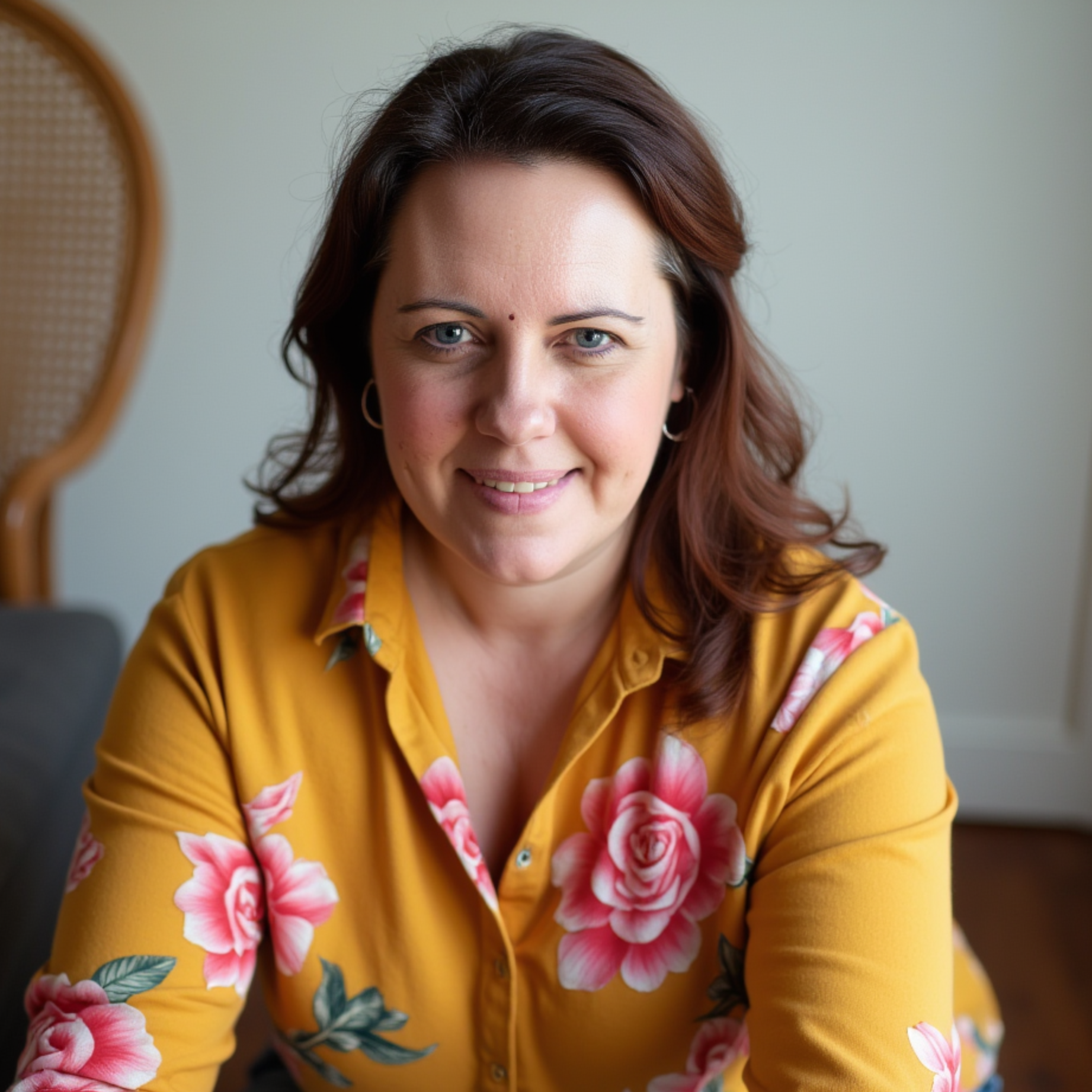
Therapy using ACT to build resilience, reduce anxiety, and align with what truly matters.
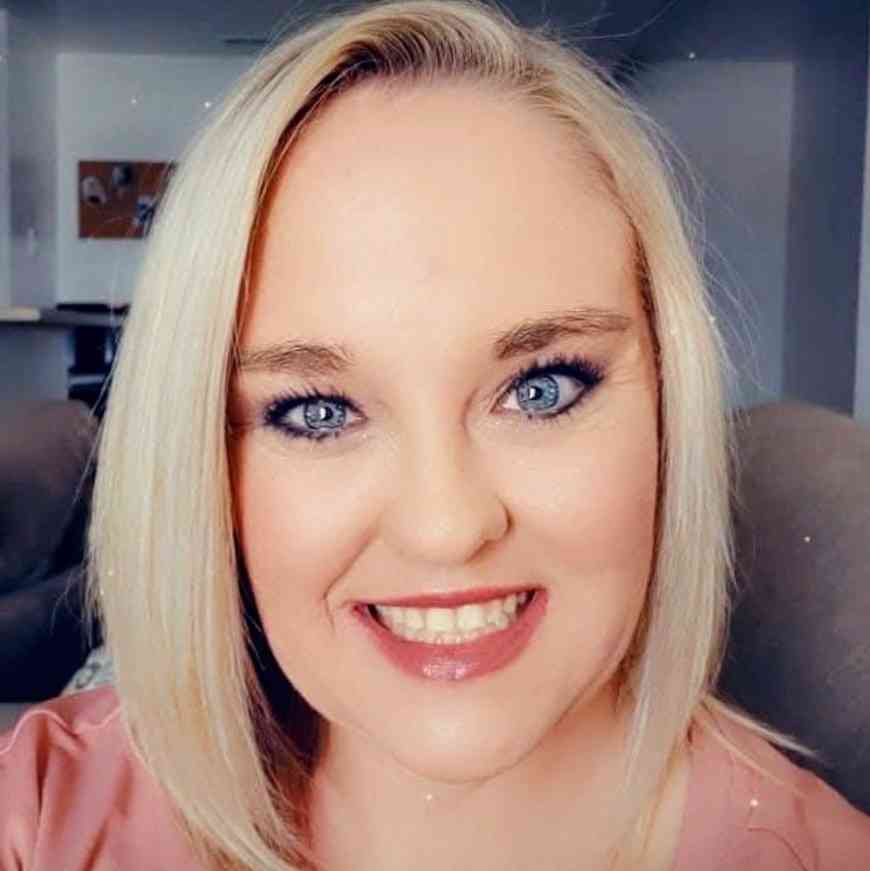
Therapist to help clients with anxiety and depression using CBT
Feel stuck or overwhelmed? Move forward with EMDR, IFS, and support that actually helps.
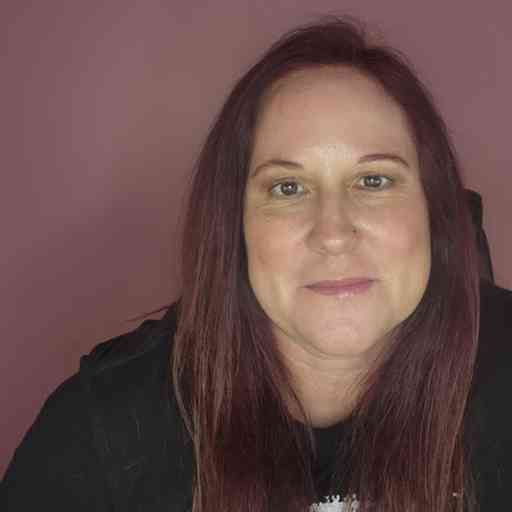
The link between our past, present, and future is one we all need to discover and move forward.
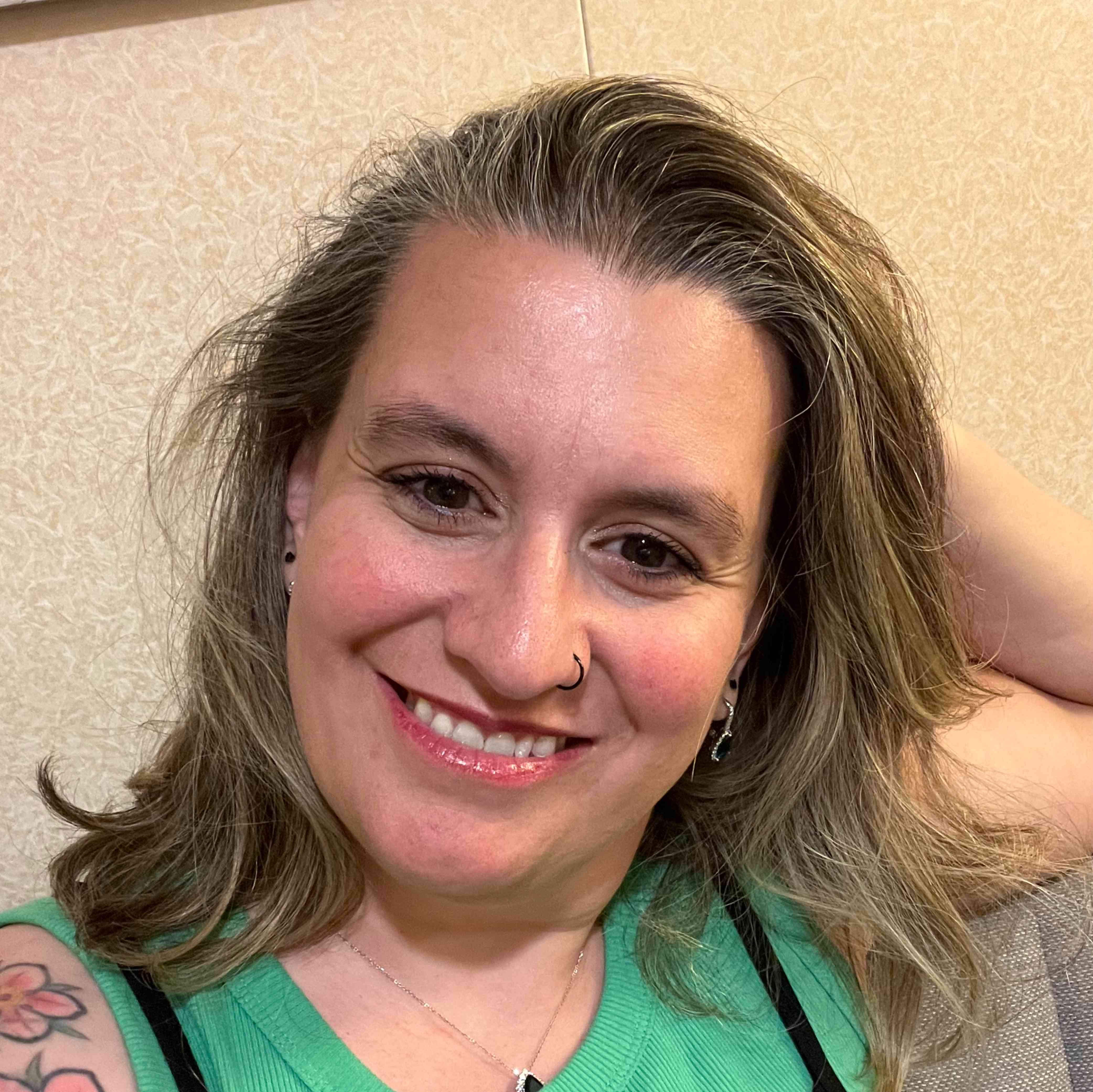
Committed to providing affirming, inclusive, competent care to LGBTQ+ folks.
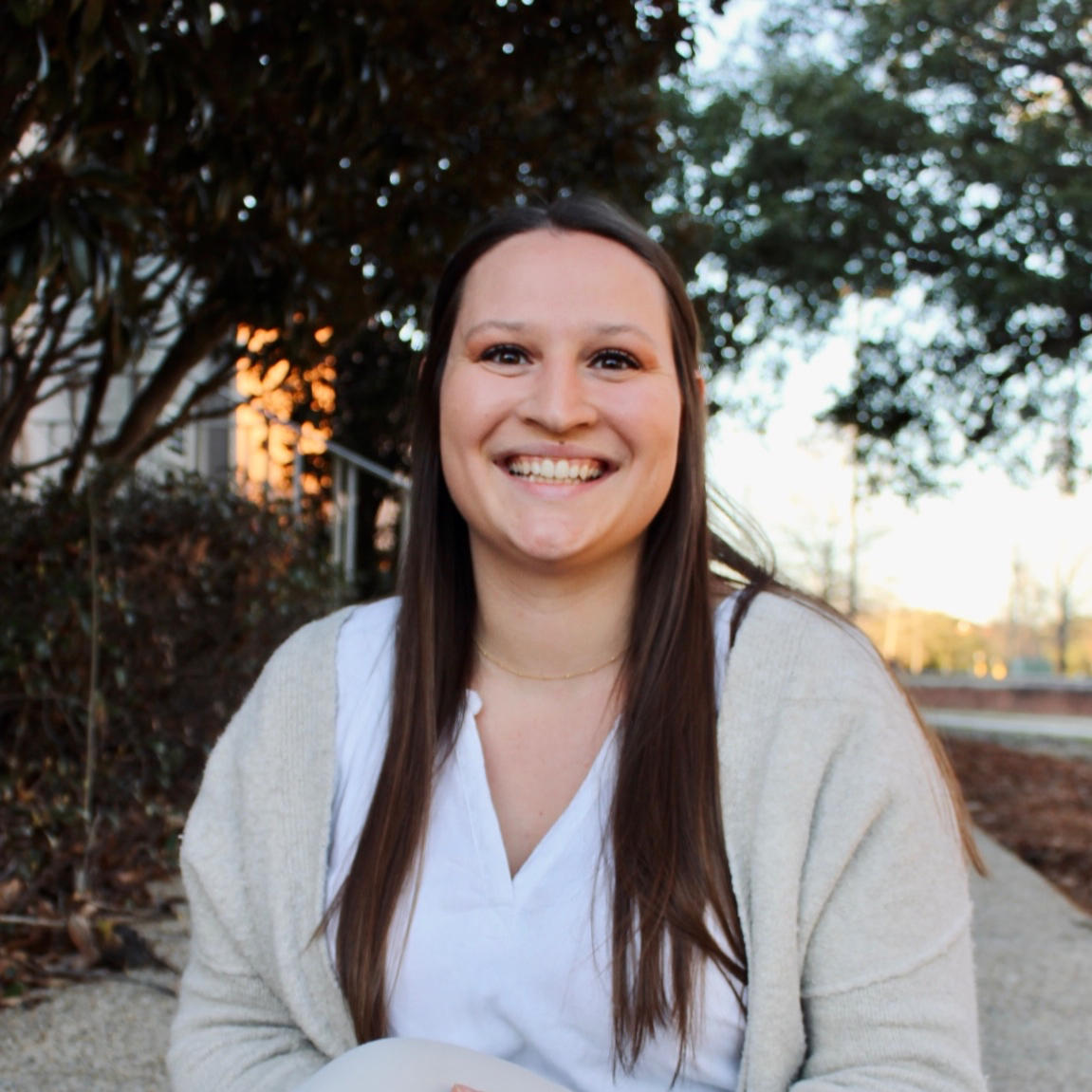
Couples Therapist focused on fostering emotional safety and deeper connection.

EMDR therapist providing support for women dealing with various forms of trauma
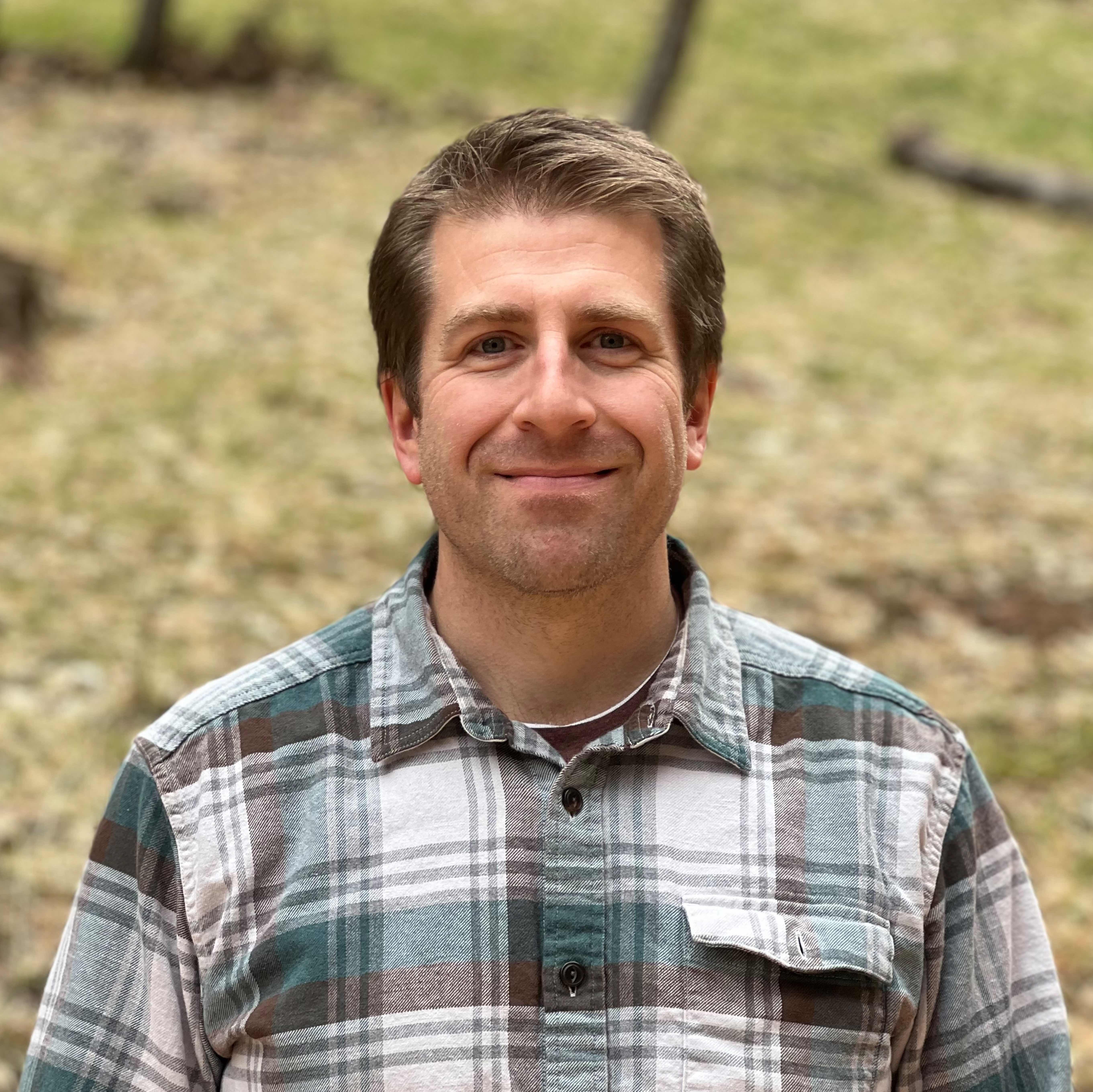
Hi, I’m Kenny I believe therapy is most impactful when you discover what makes you great.
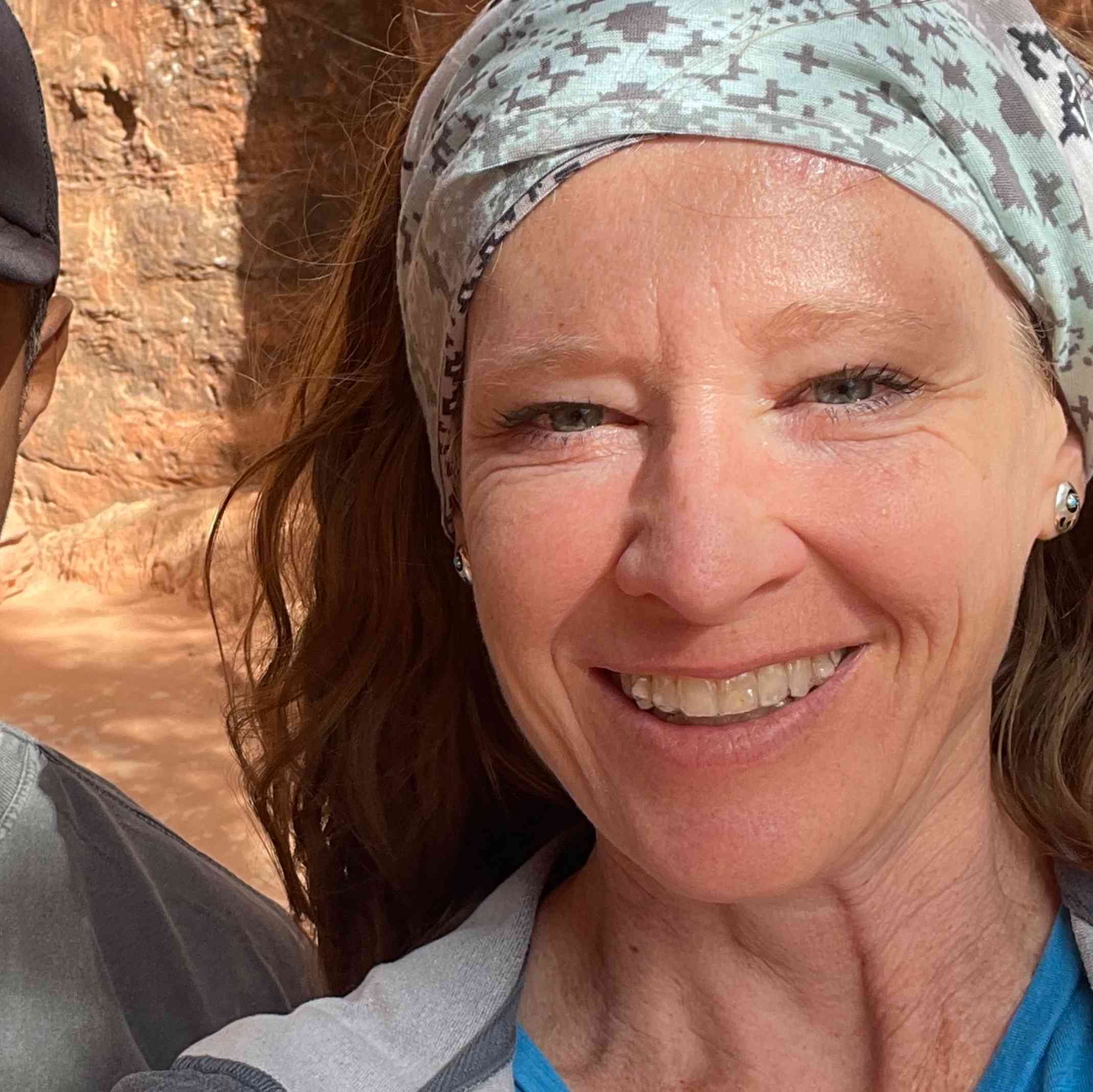
To Educate, guide & empower adults through limiting beliefs, anxiety, trauma & to live more fully.
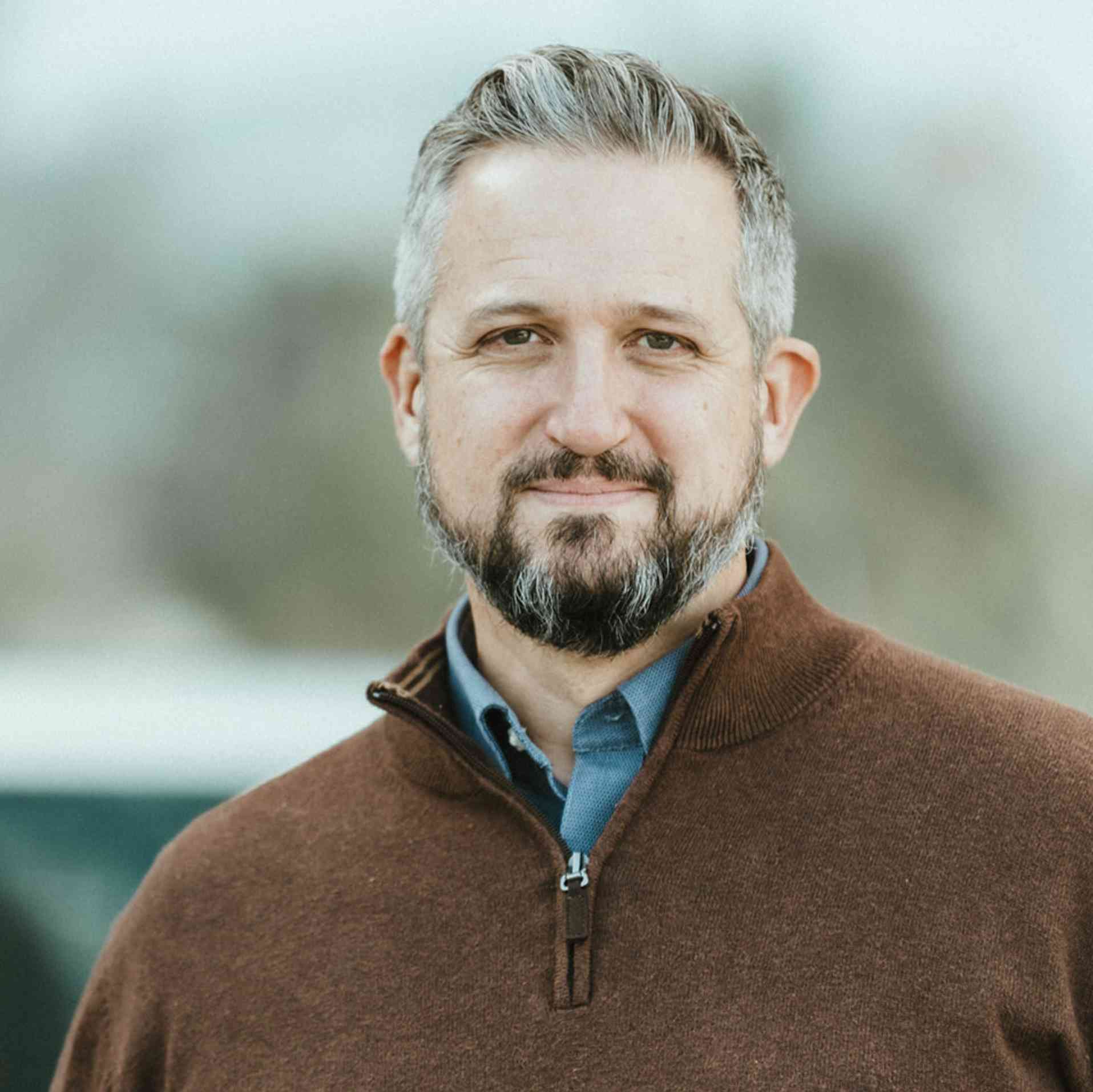
Supporting couples and individuals through betrayal recovery with trauma-sensitive care.
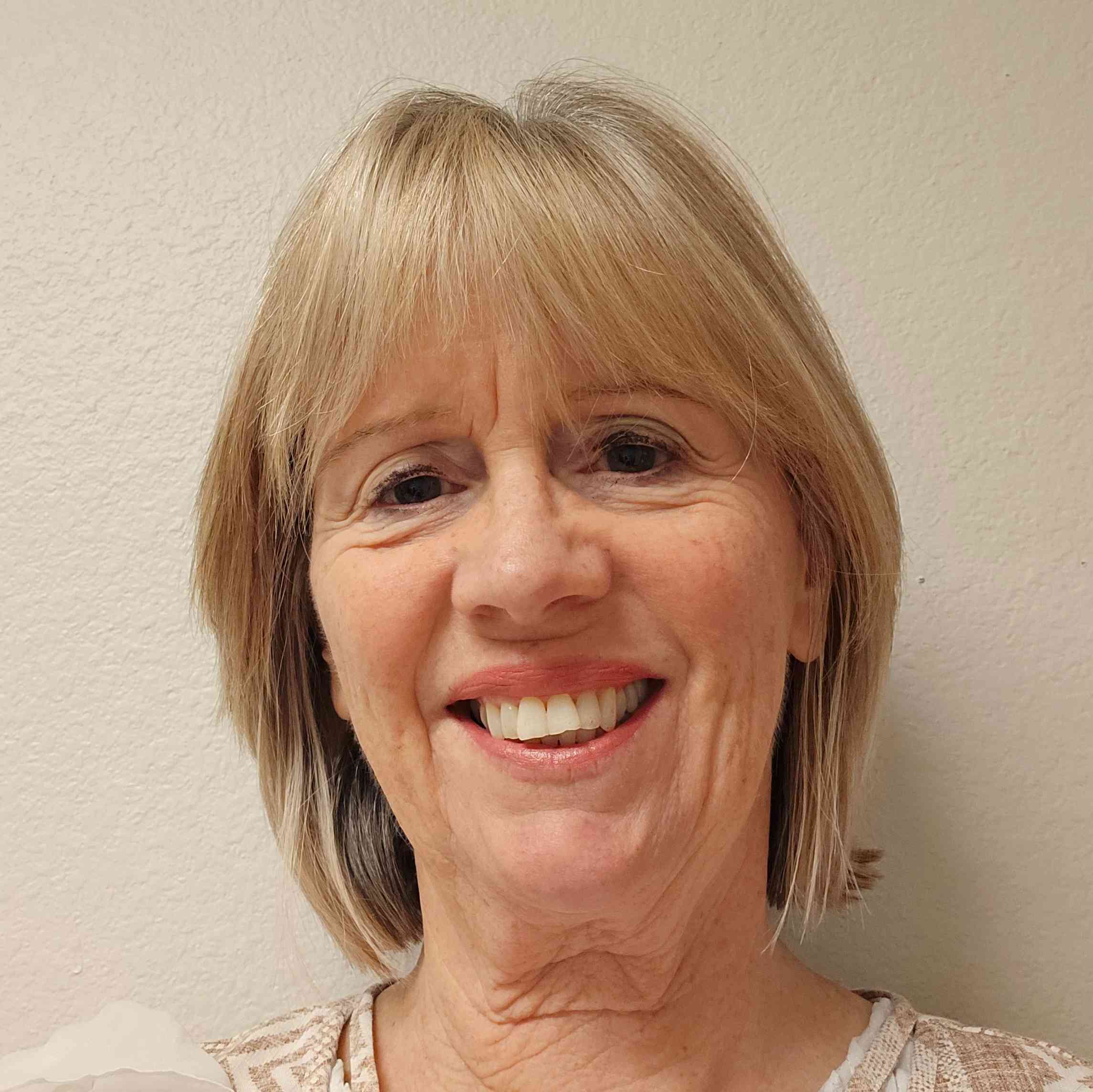
Couples Individuals Families Relationship success Parenting Life enhancement
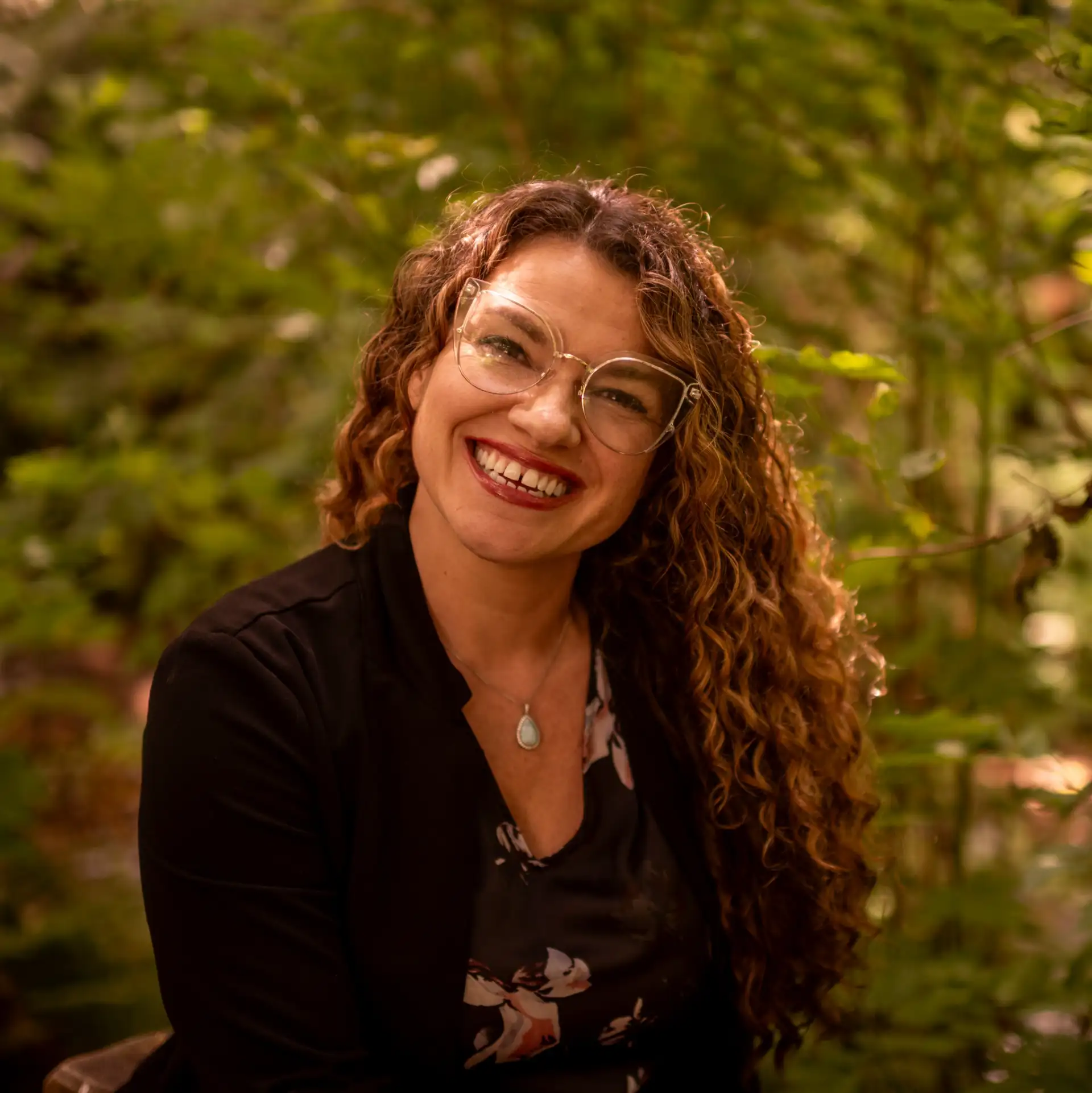
Trauma-informed, spiritually guided, somatic and mindfulness-based therapist.
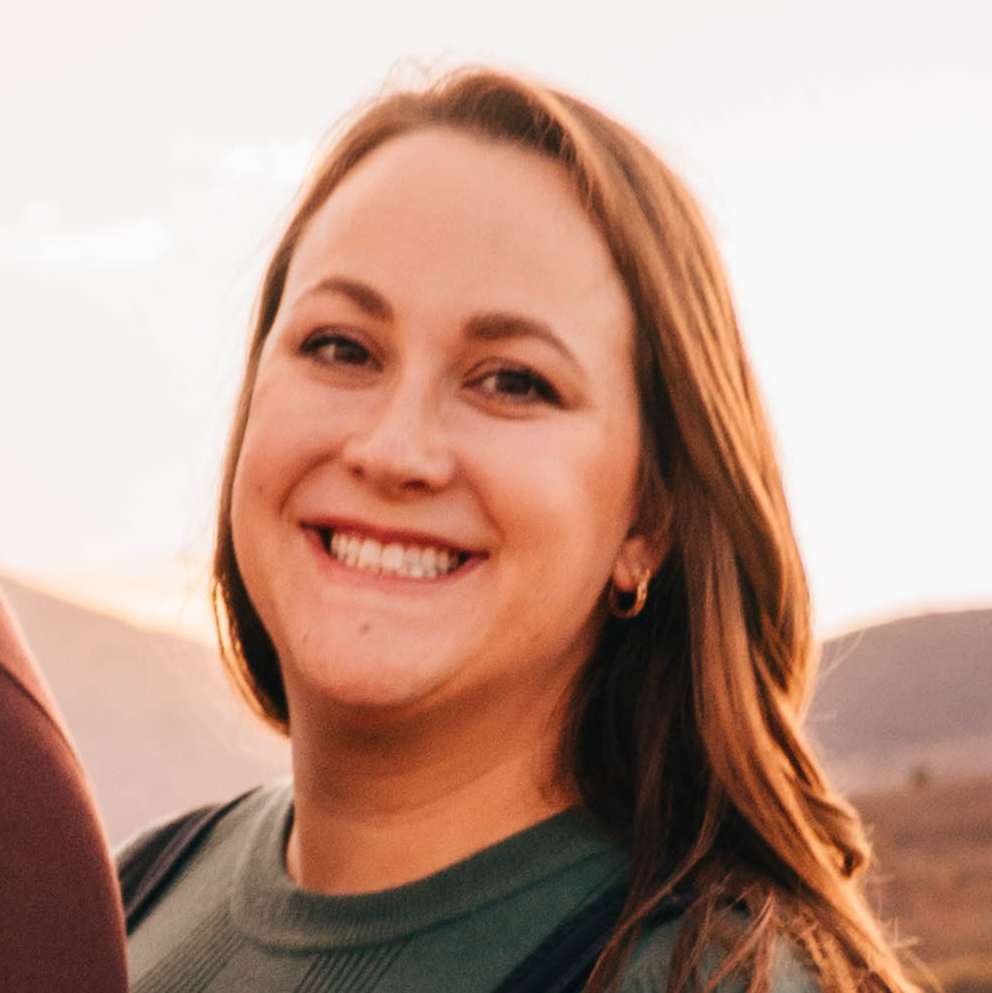
Helping manage anxiety, depression and perfectionism in an LGBT affirming therapy space.
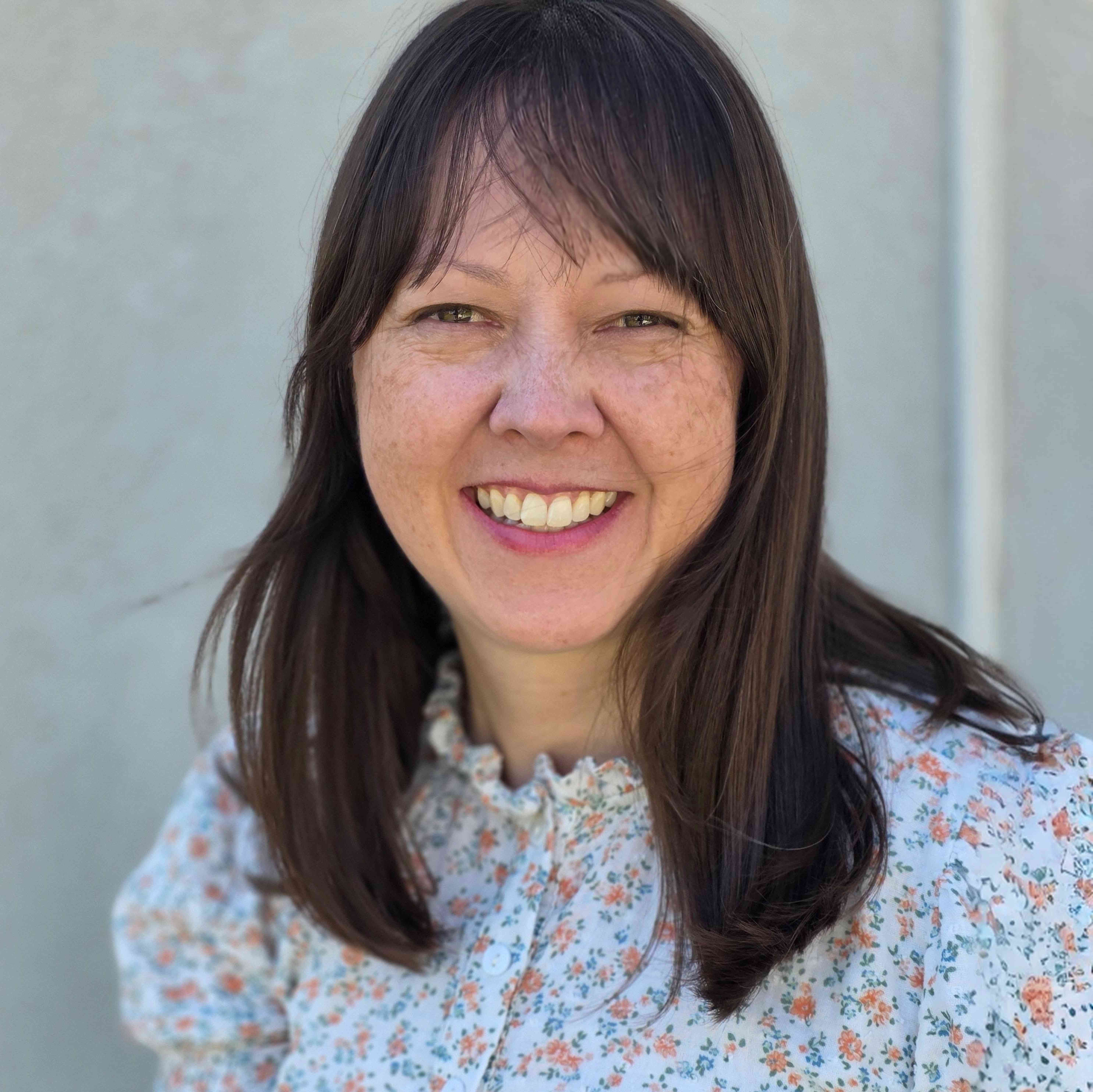
Trauma-trained therapist helping adults seeking increased trust and connection with self and others.
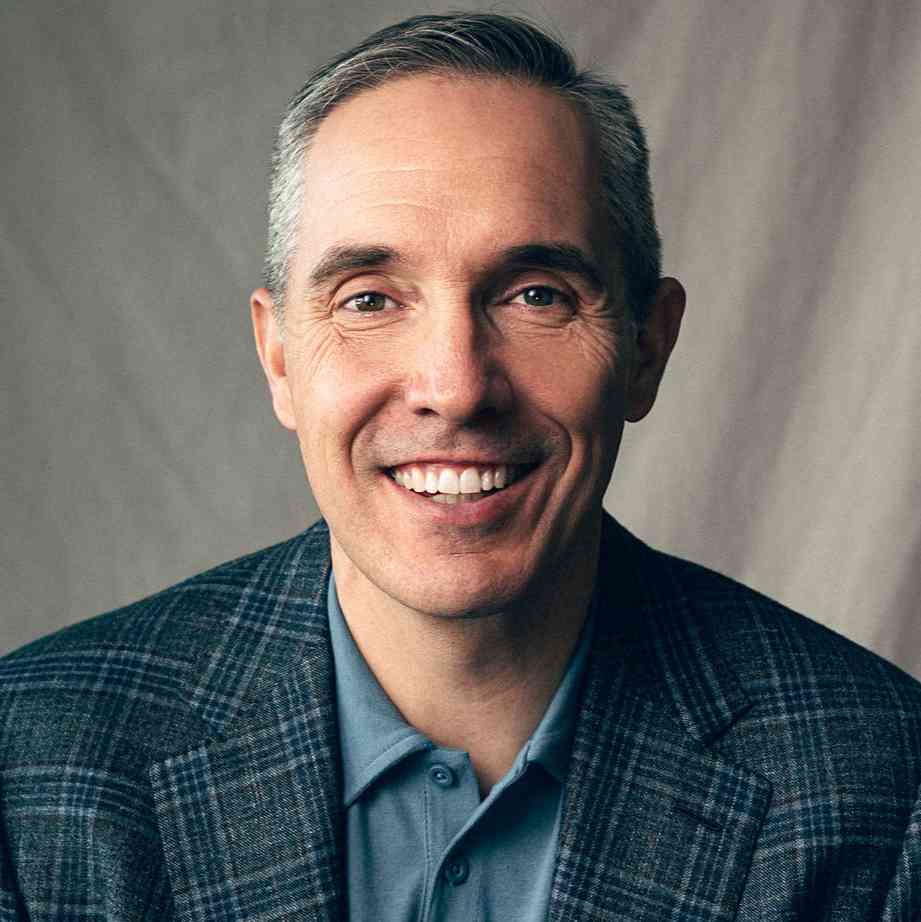
Therapy for building a more meaningful life
NextTherapist was founded by a licensed clinician who knows the match matters more than a checklist. Every therapist is verified, and you see real availability before you book.
Show real openings, meet clients who fit, and get booked directly — no per-lead fees.