

There’s something seductive about the idea of a clean slate. A new year. A new season. A new version of yourself who finally has it all figured out. We talk about “starting over” as if it requires wiping the board clean—discarding old habits, old mistakes, old selves—and beginning again as someone entirely different.
But real growth doesn’t work that way.
Starting over doesn’t mean starting from scratch. It means starting from where you are, with everything you’ve lived, learned, survived, and carried this far.

The Myth of the “Better Version” of You
So much self-improvement language implies that who you are right now isn’t enough. That if you could just optimize harder, heal faster, or try again with more discipline, you’d finally arrive at the “better” version of yourself you’re supposed to be.
But the truth is quieter—and far more honest:
You don’t need a better version of yourself.
You need a more honest relationship with who you already are.

Growth doesn’t come from rejecting yourself. It comes from understanding yourself. From being curious about the patterns you repeat, the defenses you developed, and the choices you made when you were doing the best you could with what you had at the time.
Your Past Isn’t a Failure, It’s a Foundation
Even the chapters you wish you could erase taught you something. The relationships that didn’t work. The coping strategies that helped once but now get in the way. The goals you didn’t reach. The versions of yourself that were messy, reactive, scared, or exhausted.
Those weren’t wasted years. They were adaptive responses.
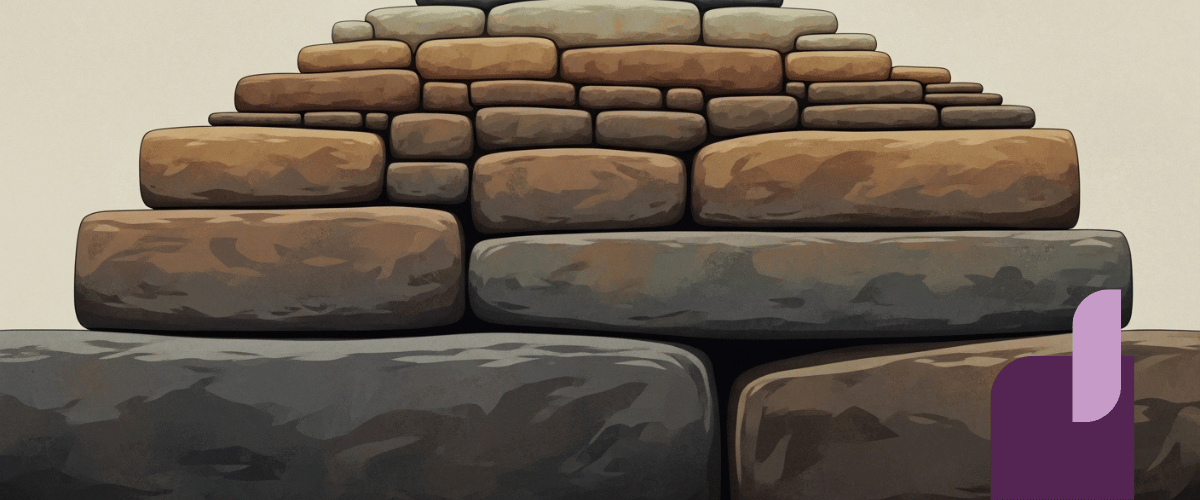
When we rush to “start over,” we often skip the part where we honor what those experiences gave us: insight, resilience, boundaries, self-awareness, clarity about what we don’t want. Without that honoring, we risk repeating the same cycles with new packaging.
Real change doesn’t ask you to disown your past. It asks you to integrate it.
Growth Is Built, Not Erased
In therapy, starting over often looks less like reinvention and more like repair. Repairing your relationship with your emotions with your history and the parts of yourself you learned to silence, shame, or override.
This kind of growth is slower and more sustainable. It’s the difference between forcing yourself into change and allowing change to emerge from understanding.
You don’t wake up one day as someone new. You slowly become more aligned. More truthful. More willing to listen to yourself instead of fighting yourself.
What “Starting Over” Can Actually Mean
Starting over might mean:
- Letting go of unrealistic expectations about who you should be by now
- Naming what no longer works without judging why it once did
- Allowing grief for the paths you didn’t take
- Choosing differently. Not because you failed before, but because you know more now
That’s not weakness. That’s wisdom.

An Invitation to Begin Right Where You Are
If you’re craving a fresh start, consider this your permission slip: you don’t have to abandon yourself to begin again. You can bring your whole story with you.
Therapy can be a place where starting over doesn’t mean pretending. Where your past is not something to fix or delete, but something to understand, contextualize, and build from.
Because real growth doesn’t come from becoming someone else.
It comes from finally being honest with who you’ve been, who you are, and who you’re becoming.