

The Quiet Convenience of an Always-Available Companion
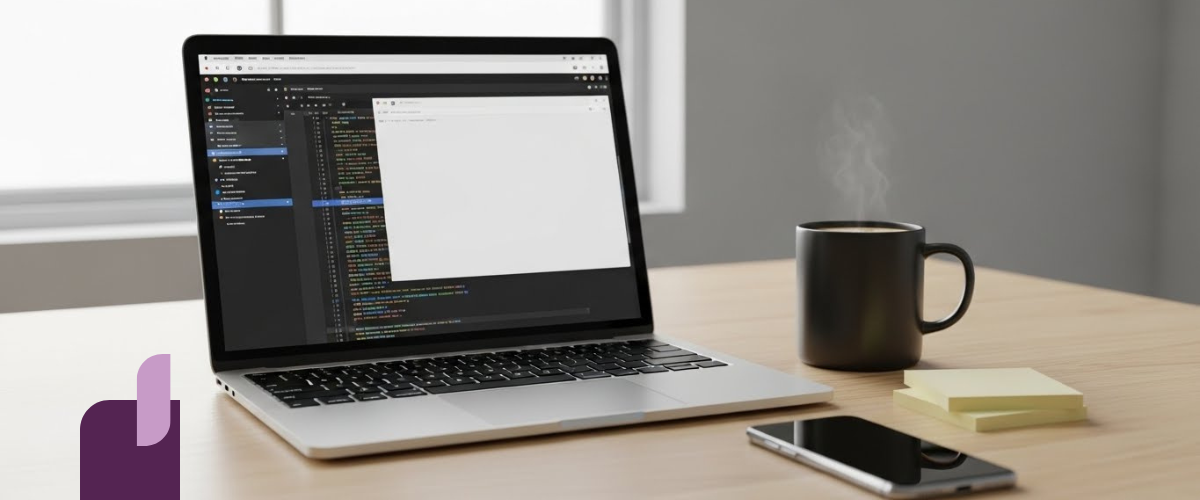
Lately, I’ve been thinking about my relationship with ChatGPT. Not in the philosophical “AI is taking over the world” sense, but in the deeply personal way it has crept into the quiet corners of my life. As a single mom with every other weekend to myself, those pockets of solitude can feel like both freedom and so lonely. It’s astonishingly easy to fill that space with a convenient, ever-present companion who can answer anything from “What presents do teen girls actually like this year?” to “Do the viral bows I put on my Christmas trees look like I’m trying too hard?” In many ways, it’s been… delightful. Especially when my brain is too tired to make decisions, it’s comforting to ask a disembodied helper, “Should I send this email?” or “Which Robert Redford movie should my film club watch next?”
When the Questions Get Heavier
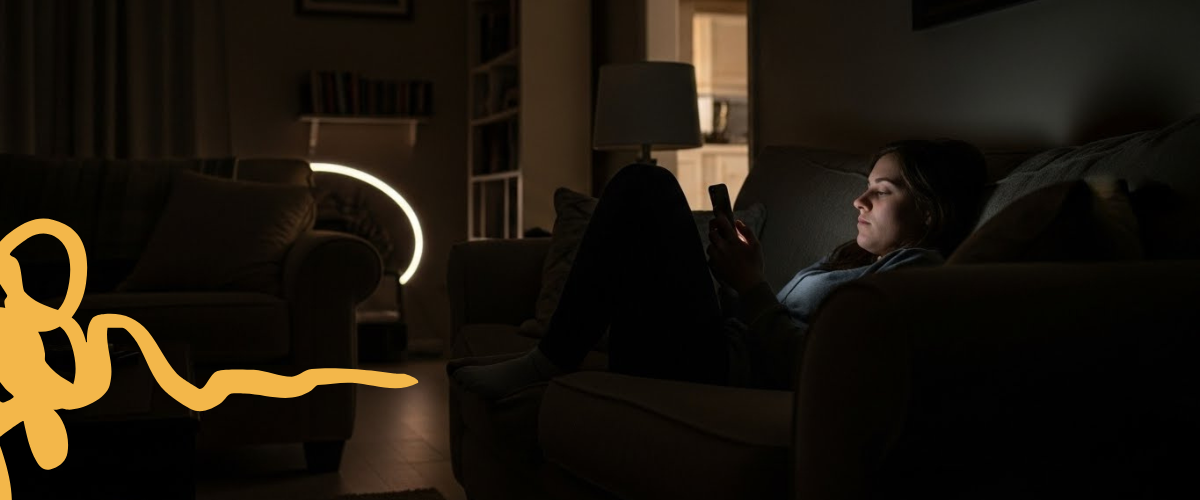
But then there’s the other side. Because I haven’t just been asking the tiny, disposable questions. I’ve also been asking the heavier ones—the questions that come from the pit of the stomach, not from the shopping cart. The ones about motivation, difficult family relationships, and the tension in my stomach I still feel hours after a nerve-wracking meeting. I turned to ChatGPT as a kind of pocket mental-health buddy, something to help me sort the emotional clutter that piles up when no one is around to hear it.
Confidence Without Accuracy
Sometimes the feedback is good. Sometimes it’s surprisingly comforting. And sometimes, like the day I was casually told that Robert Redford was alive and that reports of his death were a conspiracy theory invented by a newspaper, it’s just plain wrong. And even though that particular error won’t alter the course of my life (though yes—tragic to admiring women everywhere), it did make me question. If this tool can confidently deliver something so false about something so straightforward, what does that mean for people turning to it for something far more important?
The ChatGPT Hangover
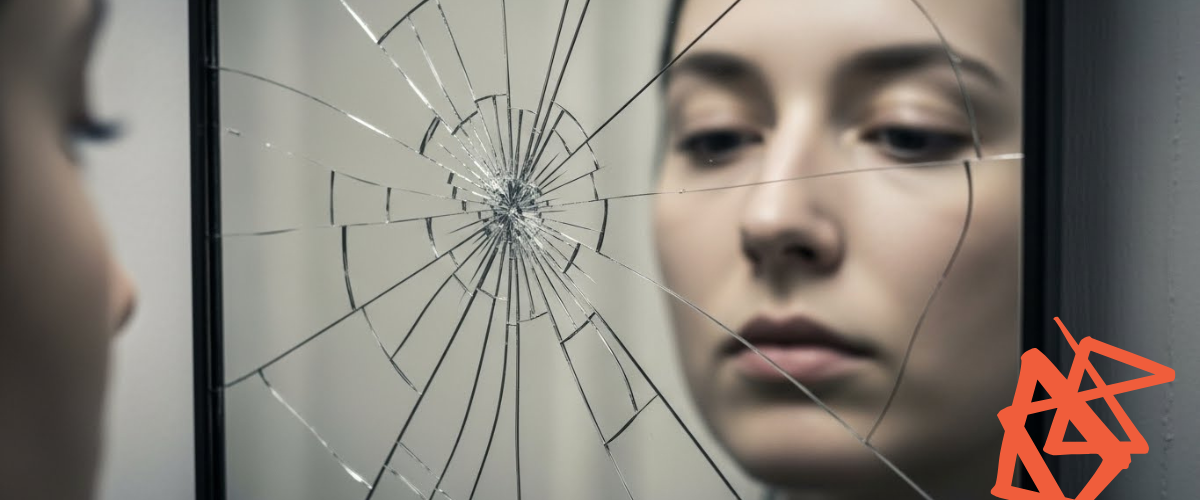
That question has stayed with me, especially because I’ve noticed something else: the ChatGPT hangover.
After a long or emotionally loaded exchange, I sometimes feel like I’ve downed a large Diet Coke when what I truly needed was a glass of water. My thirst is technically gone, but I feel slightly queasy, a little overstimulated, and not nourished.
Soda in the IV
That feeling made me start thinking more soberly about the role AI is playing not just in my life, but in the lives of the people I care about—particularly clients who might be struggling with real emotional pain. This year alone, my community has seen more suicide attempts and losses than any of us ever expected. Grief and shock have reshaped the way I think about mental health, and the stakes feel higher now. When someone is fragile, exhausted, traumatized, or inches from emotional collapse, the quality of the input they receive matters. It matters the way the contents of an IV bag matter. Water and electrolytes heal. Soda does not.

What AI Cannot Offer
AI can feel soothing in the moment—quick, clever, articulate. It mirrors the cadence of empathy. It gives structure to chaos. But it cannot offer what a nervous system in pain truly needs: human presence, human safety, human attunement. It can’t detect subtle shifts in someone’s emotional state. It can’t intervene. I get that hollow feeling when it says with no touch of irony, ‘I’m here with you’ because it in fact reminds me that you are all alone. It can’t ensure factual accuracy. And in the wrong moment, a small misdirection could have very large consequences.
The Difference Between Relief and Nourishment
When I leave my therapy appointment I feel nourished.

I feel more grounded, more connected to myself and others, and leave feeling I worked on the root of what is causing problems, rather than just surface level issues.
Naming the Difference Matters
This isn’t an anti-AI argument. I’m not giving up ChatGPT. I’ll probably still ask for stocking stuffer ideas and design opinions at midnight. It’s incredibly useful when I’m tired and alone and just need a thought partner who isn’t a dog. But I’m learning to hold it for what it is: an interesting supplement, not a source of nourishment. Helpful, but limited. Good for light questions, risky for existential ones. Soda, not water.
Soda Is Not Water
And as someone who cares deeply about people’s emotional wellbeing—clients, friends, myself—I’m realizing the importance of naming that difference. Of teaching others to name it, too. Not because we should fear AI, but because we should respect the weight of human pain and the fragility of people who are hurting. When someone is well, they can tolerate less-than-ideal input. But when someone is not, when their emotional immune system is depleted, they deserve more than something that merely imitates care.
They deserve the real thing.
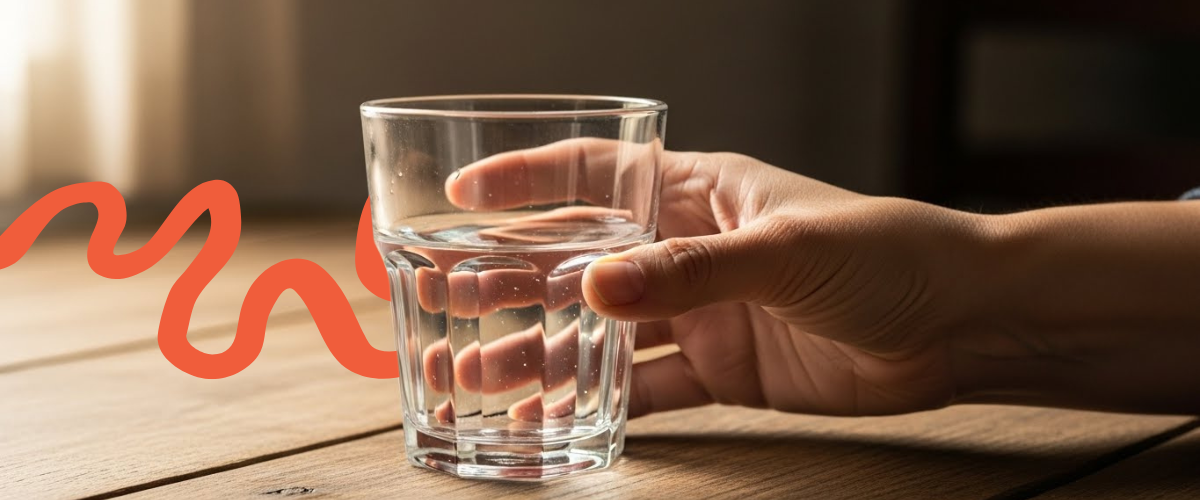
In the end, maybe that’s what my stomach was trying to tell me: not that AI is bad, but that it cannot nourish me in the moments when I’m aching for something deeper. It can calm the noise, but not the loneliness. It can offer reflections, but not resonance. And recognizing that distinction isn’t cynicism—it’s wisdom. It’s the beginning of learning when to reach for the quick, coconut syrup-filled soda and when to reach for the real nourishment my nervous system is asking for.